

At BYU, there was a mandatory weightlifting class that my father attended. He noticed that he gained muscle much more slowly than the other men there. My mother (shiksa) privately told me that he suspected it had to do with his American Indian ancestry; and Jewish, for that matter, though she didn’t mention it.
IIXI.
Traditionally, the extent to which a trait is genetic is assessed using the heritability statistic, which denotes the extent to which variation in a trait is caused by genes. This is estimated using pairs of twins or family members of different relatedness.
If members of a household are all similar to each other, regardless of their genetic similarity, then it will be concluded that the trait is strongly downstream of a shared environment; if people in the same household don’t tend to share a trait, it is concluded that it’s downstream of the unshard environment; and if similarity in a trait tracks genetic similarity, it’s concluded to be highly heritable. Most traits are caused by all three of these factors.
Proxies for athletic ability tend to be highly heritable: 85% for height, 80-90%1 for reaction time, 55% for BMI, 60-80% for bone density, 50-70% for VO2% max, and 50-70% for measures of strength:
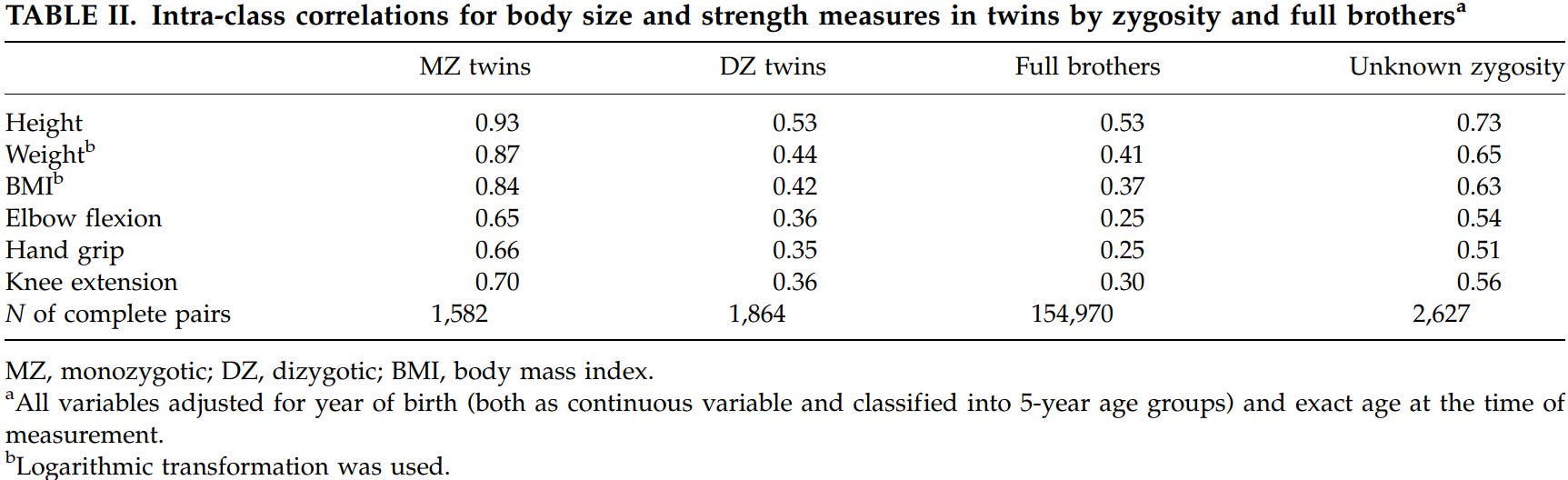
Twin studies are not exactly the most uncontroversial scientific method. I think they, and family/adoptee studies like them, are generally defensible. These estimates of heritability vary little, if at all, between countries. It doesn’t when it comes to height2 or education, though the heritability of BMI does have a little international variation.
Athletic improvement is a multi-stage process. First, people have to be motivated to get better in the first place. Independent of motivation, some people train in more efficient and functional ways, take different drugs, and have different diets. Finally, people’s bodies respond to training and diet in different ways.
When focuing on the genetics of athletic ability, people seem to hyperfocus on the last stage — the differences in bodily responses to training — and ignore everything that comes before it. The problem here is that everything is heritable — a finding so uncontroversial, it’s been called the first law of behavioural genetics. The heritability of people’s persistent interests is about 66%, and the heritability of dietary habits is about 30%.
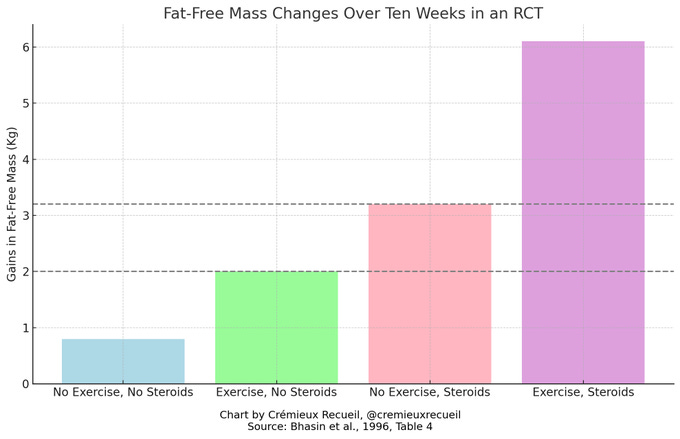
In the field of intelligence enhancement, an argument called ‘Algernon’s argument’ — that if there was an easy way to optimise intelligence, nature would have already found it. This logic fails incredibly badly for athletics. Steroids are even more effective than resistance training for building muscle; 50% of olympic athletes admit to being on performance enhancing drugs, despite their illegality. Even legal supplements like protein, creatine, beta-alanine, and caffeine have small to moderate effects on performance. Eating protein and supplementing creatine have basically zero undesirable side effects; the case of caffeine is more debatable.
III.
So, let me be clear. The idea that racial groups that evolved separately for 50,000 years have completely identical genetic predispositions to physical abilities is insane.
The idea that the causes of racial or international differences in sports performance are strongly downstream of environmental or cultural factors is not, though.
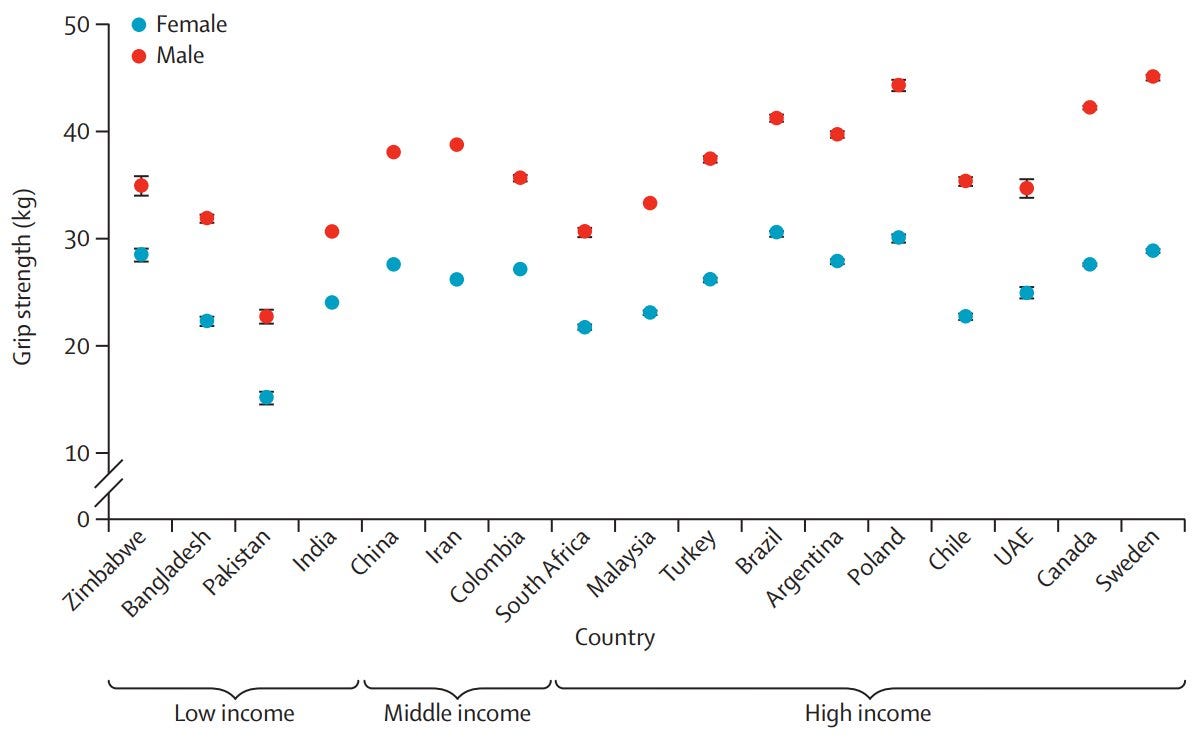
Empirically, international differences in grip are massive. The difference in strength between Polish or Swedish men (45kg) and Pakistani men (~22kg) is 23kg, equivalent to 2.6 standard deviations. That’s comparable to 6.5 inches in height, $200,000 in salary, or 39 IQ points.
Now, if we look at the grip strength of South Asian men who live in Britain — not just ones who were born there, but who just live there, the picture is very different. Their grip strength is only 6kg lower than that of British whites:
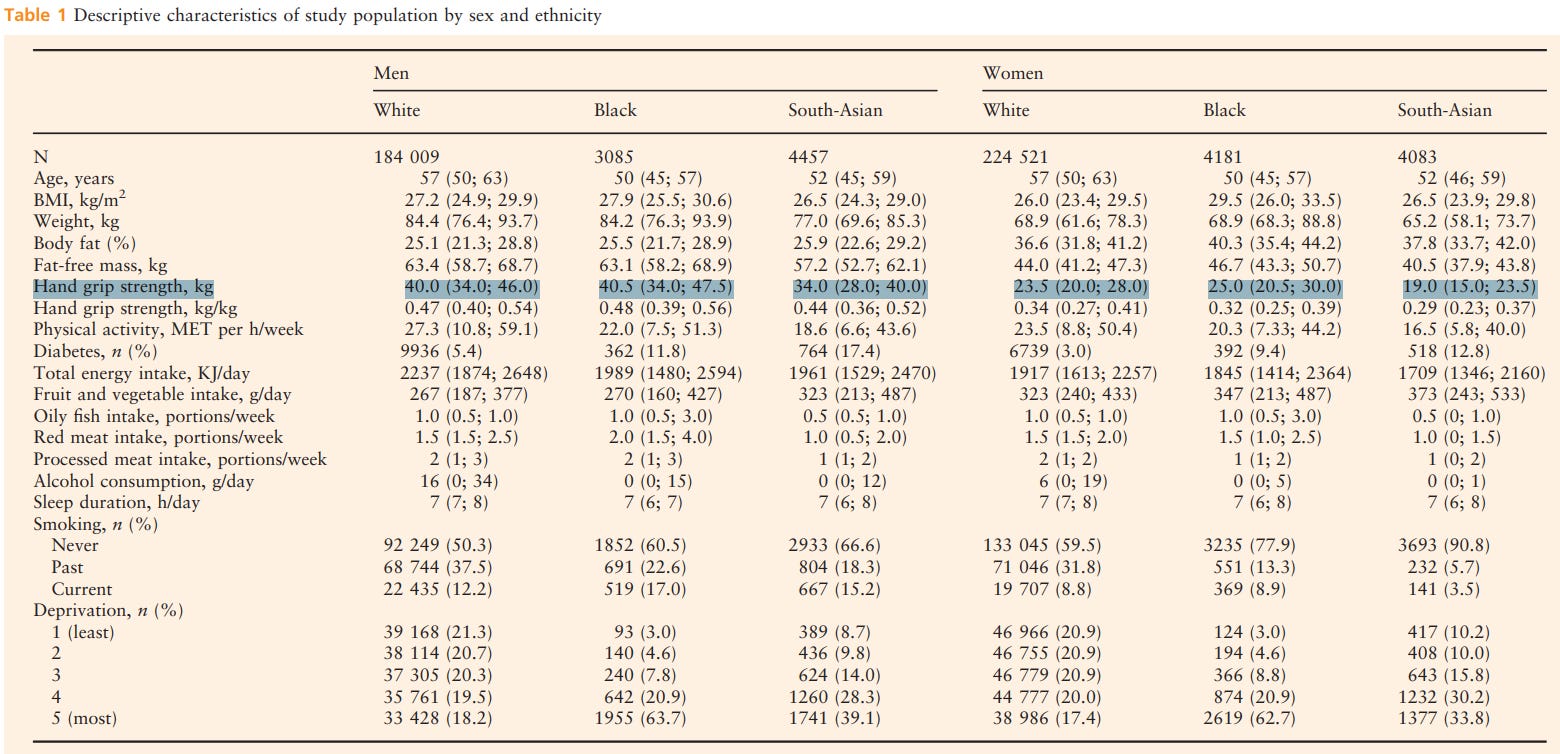
Because of differences in sample composition, it’s difficult to make exact comparisons between South Asians in Britain and those in South Asia. After making a few assumptions3, I estimated the between-group heritability of grip strength between Northern Europeans and South Asians — in their respective countries — to be 16-28%. Much lower than the heritability of strength at the individual level, which is closer to 60%
As much of a meme ‘variance within vs between’ has become in behavioural genetics because of one specific and infamous example, the idea still applies in the wild.
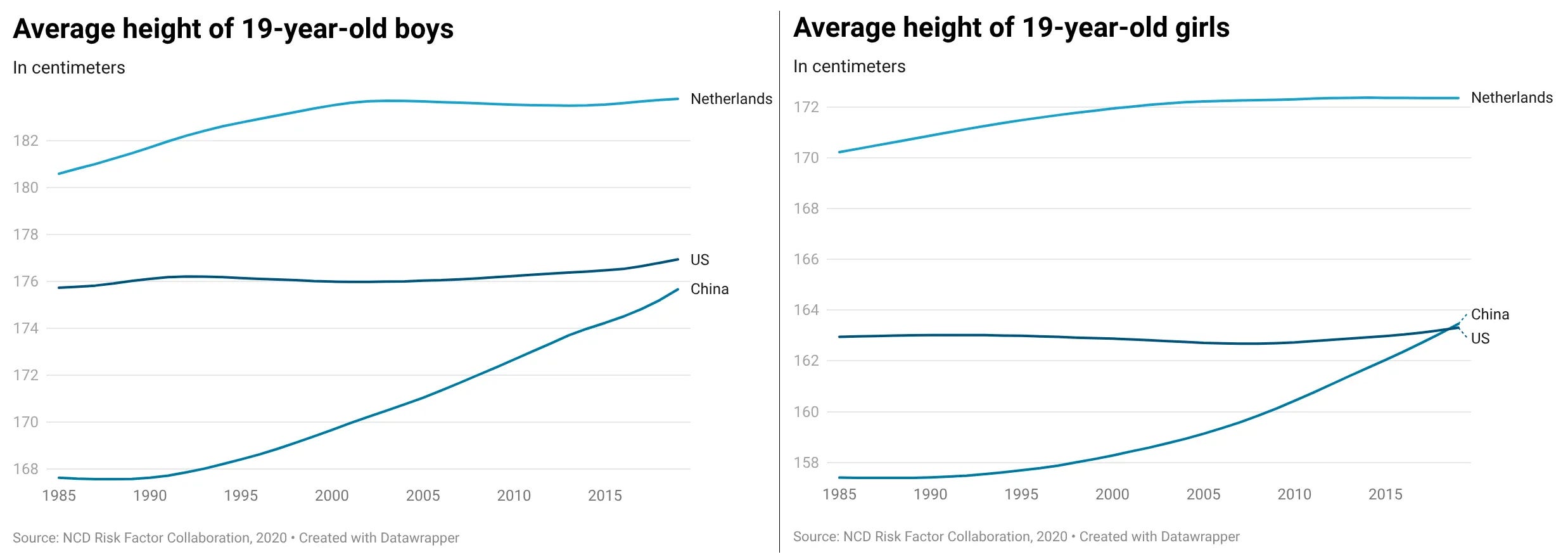
A little known fact — Chinese youth are now as tall as their American counterparts:
XAXA.
Differences in athletic performance between countries and races has attracted quite a bit of popular and academic attention. Genetics are a hazy explanation for these differences. Sometimes accurate, other times nonsensical.
Those advocating for the hereditarian explanation cite radical overrepresentation of East African runners in endurance competition, or that of West African runners in spriting. Similarly, one could bring up examples that support evironmentally-downstream views: despite the fact that only 11% of the Moroccan diaspora lives outside of Morocco, 73% of the country’s world cup team was born abroad.
The case of Kenyan endurance runners is interesting — it’s clear there are some genetic advantages at play: evolved respiratorial efficiency due to living at high altitude, and an ectomorphoic build that is more suited to running: better at dissipating heat, lighter on the knees.
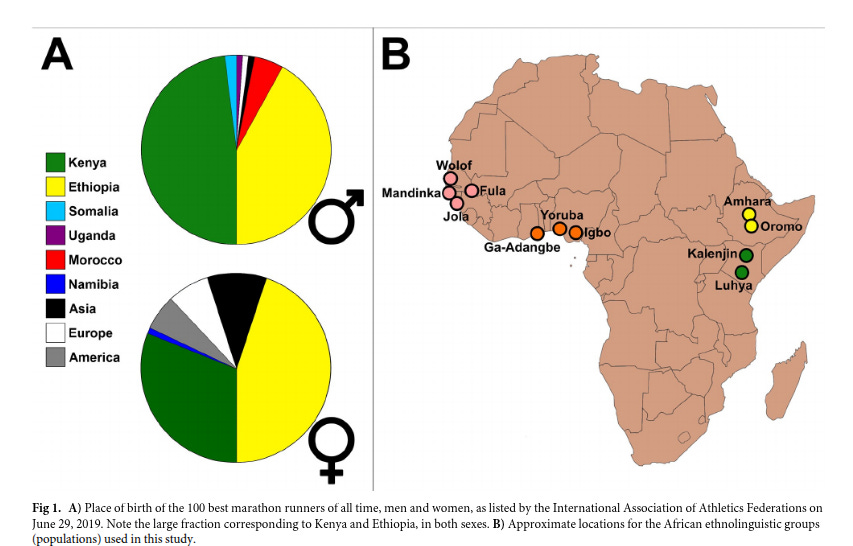
There is also a cultural factor: there is a tradition where Kenyan schoolchildren run to school, and are incentivised to compete in athletic events. Still, those traditions and environmental factors wouldn’t exist without the genetic advantages; genetically gifted Kenyans are probably more likely to take advantage of them.
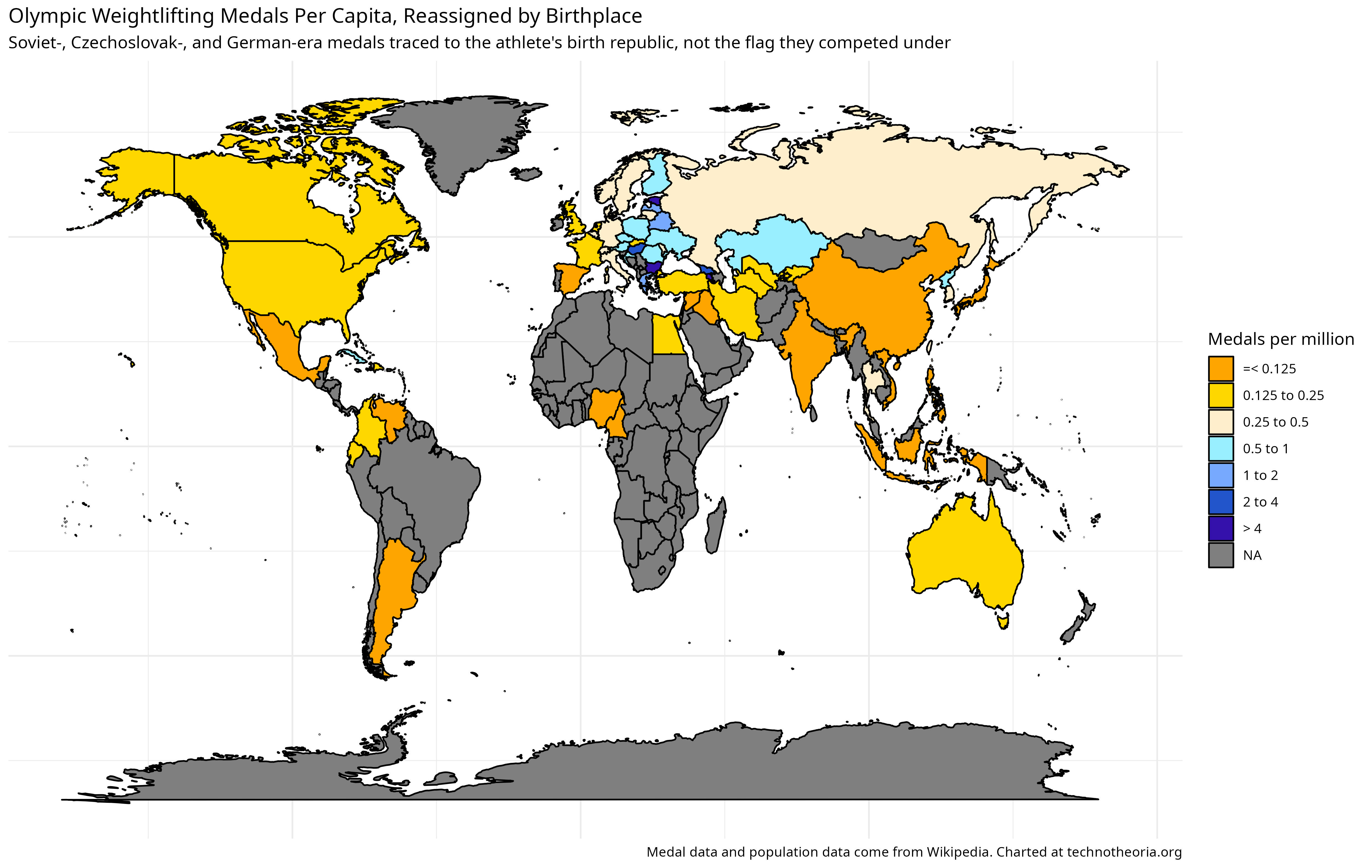
Powerlifting, on the other hand, favours more mesomorphic physiques, which are more common in Europe. Predictably, weightlifting is dominated by whites; Korean bodybuilders, believe it or not, are pretty good too. On a per capita basis, Eastern Europeans and people from the Caucasus fare the best.
Kenyans in endurance running remind me of the phenomenon of Koreans in League of Legends (LoL), the most popular esport — meaning competitive video game. Of the top 50 pro players with highest tournament winnings, 56% were born in Korea, 28% were born in China, 14% were born in Europe, and 1 was born in Taiwan. Even ignoring their overrepresentation relative to the global population, South Koreans only constitute 3% of the entire East Asian population; there are as many East Asians living abroad as there are living in South Korea.
European and American LoL teams frequently import Korean players because they’re much better. There is no scramble for racially Asian players who grew up in the West.
In Dota 2, Koreans make up a total of 0% of the top 50 highest paid players ever. Not because they lack a Dota 2 gene, but because the game isn’t popular there. In physical sports, it’s often difficult to separate a region’s cultural preference for a sport and their talent for it. In gaming, it is possible to separate the two, and it’s easy to see that the preferences have a massive impact on national overrepresentation.
Koreans were incredibly dominant in the early days of Starcraft — as in, maybe only 2-5 of the top 50 players in that time were non-Koreans. They fell off after other games became more popular and Western players started getting better; now Korean and non-Korean players are roughly at parity with each other.
Unsurprisingly, hereditarian explanations for differences in ability between nations are unpopular in the esports scene, even among professional players and staff.
Explanations for Korean dominance in esports vary. So far, I’ve seen the following theories: Koreans are better at handling criticism from other players or coaches; Koreans are able to practice against better players — particularly, this is an explanation for why the gap is so large, not why it appeared in the first place; IQ; better internet and lower ping in Korea; and cultural factors surrounding competition and the serious nature of gaming in Korea.
The difference in practice environment seems like a believable explanation as to why the gap is so large — one of the best Western Starcraft players, Naniwa, would say that, when he travelled to Korea, he would fair poorly against even B-tier Korean players. After a few weeks, he would rapidly improve, and become competitive with the top Korean players.
There’s definitely something to the IQ story, but it is a bad explanation for Korean dominance in particular. South Korea is a coutnry with a national IQ of 103, and is better than America, Europe, and China, which all have national IQs in the 95-100 range, and vastly larger populations. So much larger that not even the tail-effect argument makes any sense, mathematically. Ethnically, most of the players on Western teams are either white or asian; there’s a surprisingly large number of Turkish and Arabic players too.
Then we have the overrepresentation of black athletes in the NFL and NBA.
Statistically, 70% of NBA players were black in 2023; in 2019, 59% of the NFL was.
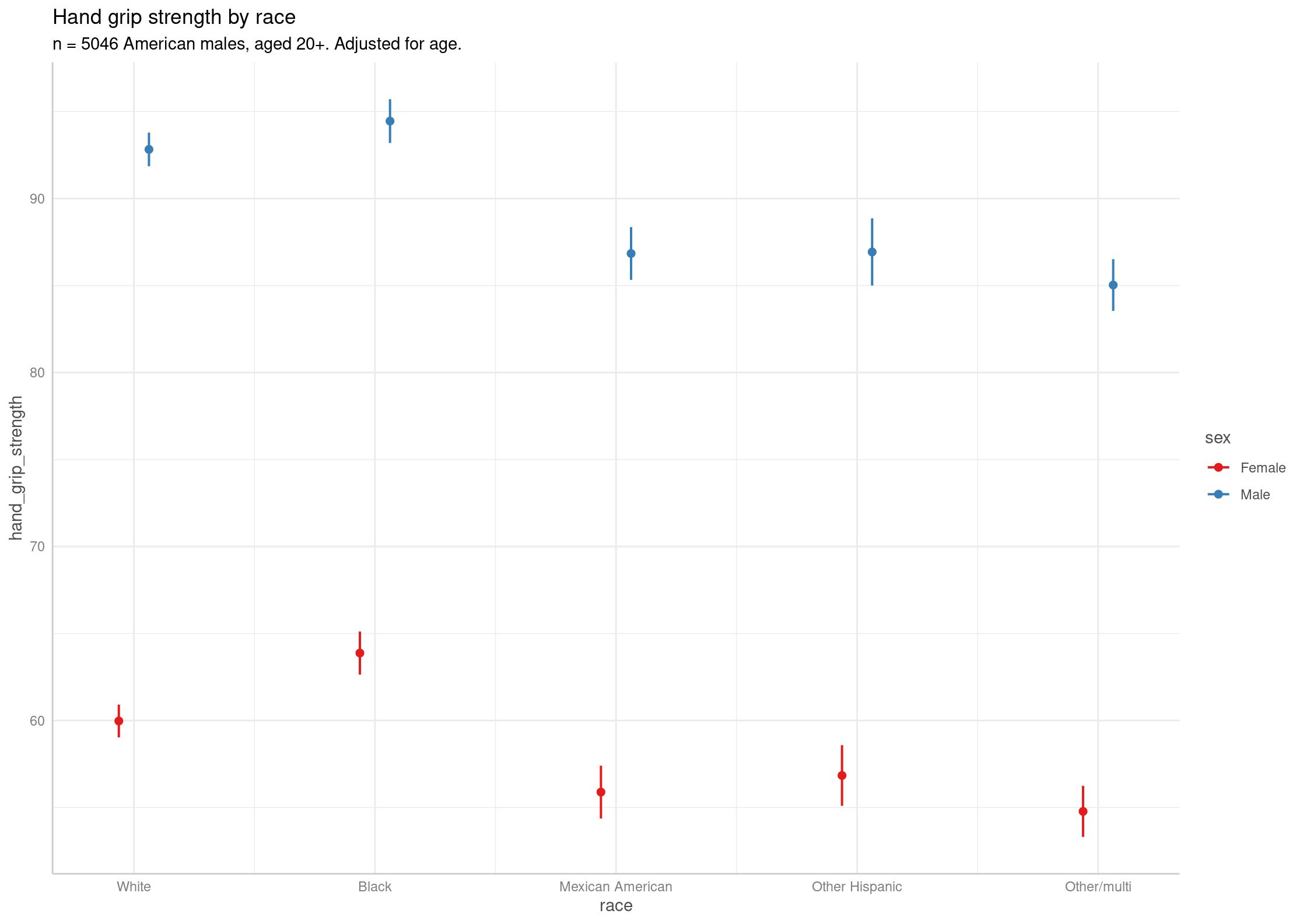
If we look at the general population, black people are more athletic than whites: 1kg higher in grip strength and higher bone density. To actually test whether that causes their overrepresentation in sports would require a precise estimation of race differences in athletic ability for that particular sport in a large, nationally representative sample — which doesn’t exist, to my knowledge. And then we still have the issue that, even if we have that measurement, there’s no guarantee that the difference is due to genes.
If we assume that the overrepresentation is due to group differences in athletic ability relevant to the sport — which I don’t believe, we can calculate the athletic advantage black people have over the rest of the American population.
14,000 professional athletes are employed in the USA, and there are 90 million Americans between the ages of 20 and 40 — that’s z = 3.544. It’s a little difficult to make a z-score here, because there is selection for the particular sport too. Given black people are 13% of the US population, the advantage in athletic ability in basketball would have to be d = 0.73; for football, it would have to be d = 0.545.
Those aren’t trivial differences, by any means. Black people are the same height as whites, and are not much stronger than them — their grip strength is only 1kg (d = 0.22) higher. Their specific build — tall and lean — is definitely more suited to basketball; in football, it would depend on the position.
Discussions over what the null hypothesis should be, what qualifies as evidence, and what qualifies as good evidence — frankly — don’t interest me. It’s a boring debate.
XIII.
People have noted that ethnicities genetically adapt to their environment: Tibetans have a gene that make them better at tolerating environments that lack oxygen; the Bajau people have enlarged spleens that allow them to tolerate long periods of diving.
Genes have been identified with non-negligible effects on performance in sports, such as the ACTN3 gene, where the RR and RX polymorphisms correlate with better performance in sports that require sprinting or power; the XX polymorphism correlates with better performance in endurance. Only 1-3% of black people have the XX genotype, 18% of whites do, and 25% of asians do.
After screening 476 initial registrations, 25 studies were included in the final analysis (13 different countries; 14,541 participants). In power athletes, the RX genotype was predominant over the two other genotypes: RR versus RX (OR 0.70; 95% CI 0.57–0.85, p = 0.0005), RR versus XX (OR 4.26; 95% CI 3.19–5.69, p < 0.00001), RX versus XX (OR 6.58; 95% CI 5.66–7.67, p < 0.00001). The R allele was higher than the X allele (OR 2.87; 95% CI 2.35–3.50, p < 0.00001) in power athletes. Additionally, the frequency of the RR genotype was higher in power athletes than in non-athletes (OR 1.48; 95% CI 1.25–1.75, p < 0.00001). The RX genotype was similar in both groups (OR 0.84; 95% CI 0.71–1.00, p = 0.06). The XX genotype was lower in power athletes than in controls (OR 0.73; 95% CI 0.64–0.84, p < 0.00001). Furthermore, the R allele frequency was higher in power athletes than in controls (OR 1.28; 95% CI 1.19–1.38, p < 0.00001). Conversely, a higher frequency of X allele was observed in the control group compared to power athletes (OR 0.78; 95% CI 0.73–0.84, p < 0.00001). On the other hand, the frequency of the RR genotype was higher in power athletes than in endurance athletes (OR 1.27; 95% CI 1.09–1.49, p = 0.003). The frequency of the RX genotype was similar in both groups (OR 1.07; 95% CI 0.93–1.24, p = 0.36). In contrast, the frequency of the XX genotype was lower in power athletes than in endurance athletes (OR 0.63; 95% CI 0.52–0.76, p < 0.00001). In addition, the R allele was higher in power athletes than in endurance athletes (OR 1.32; 95% CI 1.11–1.57, p = 0.002). However, the X allele was higher in endurance athletes compared to power athletes (OR 0.76; 95% CI 0.64–0.90, p = 0.002). Finally, the genotypic and allelic frequency of ACTN3 genes were similar in male and female power athletes.
An ACTN3-downstream theory would predict black people to be poor endurance runners and asians to be good ones. In practice, this isn’t true because black people have ectomorphic physiques which are better suited to running.
Black people also have fewer repeats of the CAG polymorphism on the androgen receptor gene than whites, which has been hypothesised to cause higher androgen sensitivity.
There are locker room theories about national/ethnic differences in sport performance being downstream from willingness/ability to use steroids and their physiological response to them. Empirically, hispanic and black teenagers are about equally likely to claim they use anabolic steroids… if they are straight.
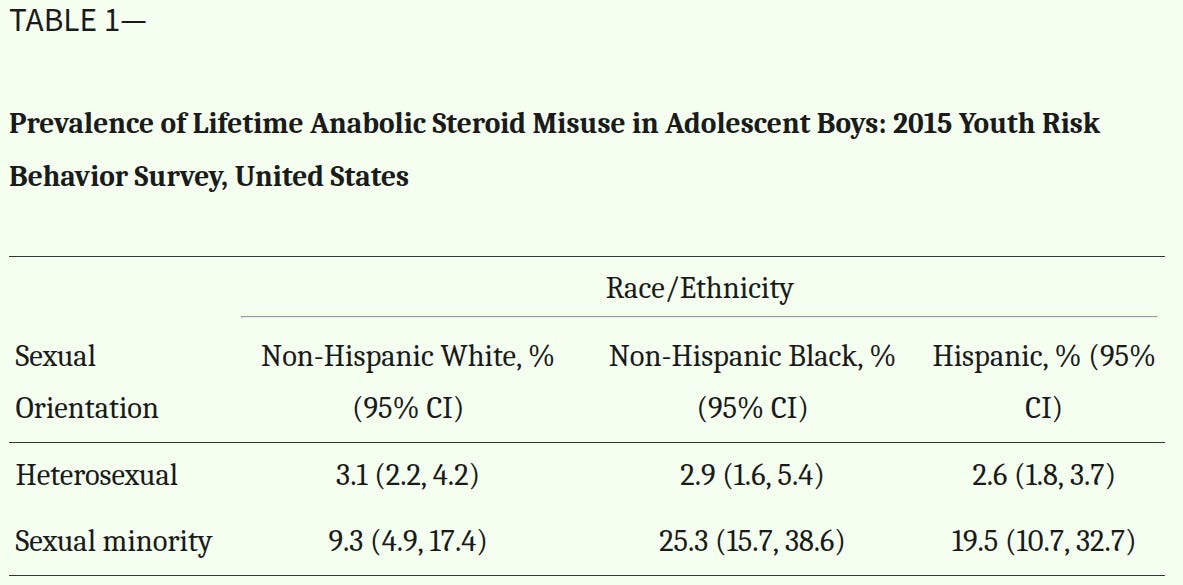
I assume the elevated rates of steroid use in sexual minorities are due to normal teenagers lying about their behaviour for fun.
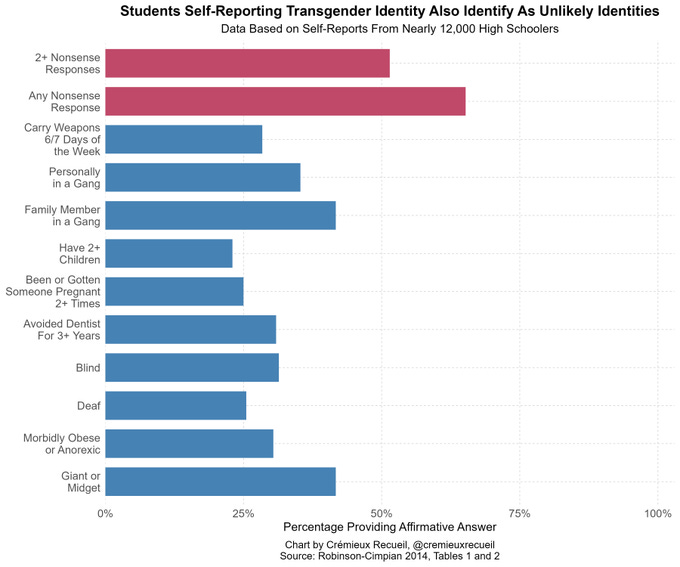
If we’re talking about differences in the USA, then rates anabolic steroid use do not explain race differences in athletic performance, but perhaps their response to them at the top level could. It’s not inconceivable, however, that access to more and better performance enhancing drugs in the Soviet Union contributed to their success in weightlifting.
Contrary to popular belief, race differences in total testosterone are minimal, if they exist at all:
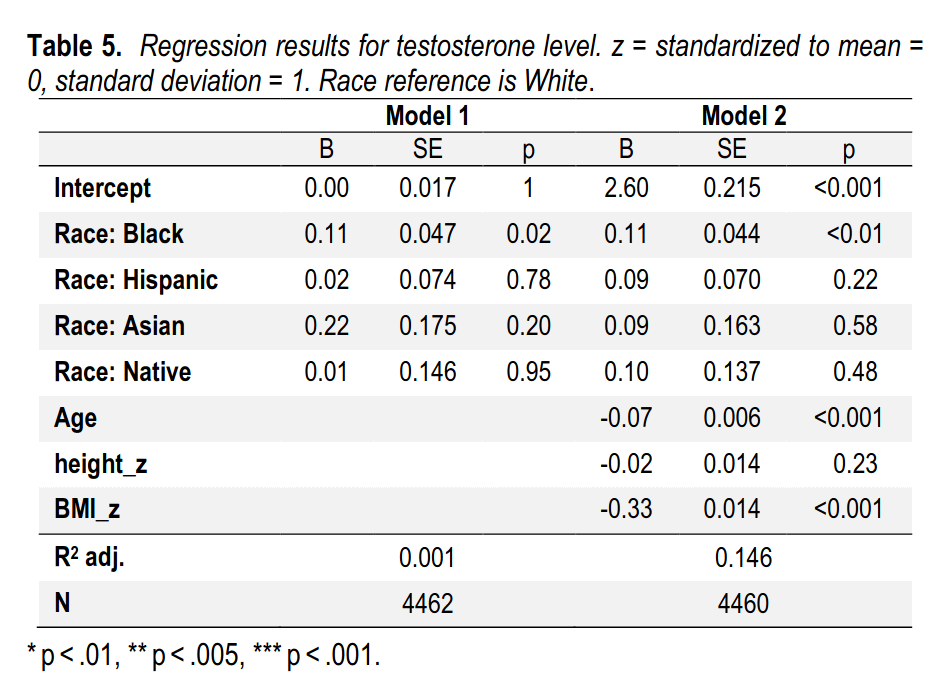
This evidence only refutes the insane version of the theory, which is that genes play zero role in race differences in athletic ability. Not the empirically supported one — that environmental factors play a large role in international differences in athletic ability, or that there are race differences in sports selection that are caused by cultural factors.
It’s notable that sports dominated by black people tend to be those that require less equipment and money: running, basketball, and football; the only exception is weightlifting, where white performance is higher due to differences in physical morphology. The racial demographics of boxing in the USA shifted over time: it was first dominanted by Jews — no joke — in the early 1900s, then Irish and Italian, and now black and hispanic. This tracks poverty more than any real biological difference.
In fact, Jews entered the ranks of American boxing in large numbers and by 1928, were the dominant nationality in professional prizefighting, fol¬ lowed by the Italians and the Irish. Ten years later, Jews sank to third place, preceded by the Italians and the Irish. When World War II ended and the G.I. Bill of Rights and other avenues of advancement became available, boxing was no longer attractive to the Jews as participants. By 1950, there were virtually no Jewish boxers, and their number has been minuscule ever since. A similar decline occurred among Jewish trainers, but Jewish managers, promoters, and matchmakers continue to maintain a presence.
The traits that cause differences in performance like height or bone density are polygenic. As such, the same will be true for genes that cause differences in performance in sports.
Normally, when talking about the subject of race and athletics, people attack the idea of racial categories, and how well they map on to genetic differences. It is true, for example, that there is more genetic diversity in Africa than outside of it. The fact of the matter is that people dislike racial categorisation because they find it uncomfortable for social and emotional reasons, not because of any scientific or statistical beliefs. If accuracy was the only objection, then they would call for more genetically-informed racial terminology, and they… don’t.
If we want to complain about broad and cloudy concepts, the obvious culprit here is the idea of ‘athletic ability’, not race. Sometimes, the traits that make you good at one sport are antagonistic to what makes people good at others; some muscle fibers are optimised for strength, others are optimised for endurance.
People with hypermobile joints are much more suited for dancing than long distance running; bone density prevents injuries, but makes swimming more difficult; muscle fibers are optimised for strength or endurance; lanky people are better at running; stocky people are better at weightlifting. Professional athletics is looking for a microniche where your body performs 0.2% better than other athletes.
XIY.
To summarise, I think the most clear genetically caused group-level advantages are differences in frame type: the tall and narrow frame of Africans make them better runners, while the compact frame of Europeans make them better powerlifters.
The causes of their relative representation rates in complex sports: tennis, soccer, combat sports, basketball, and football — is more debatable. This is where, I think, cultural selection becomes a much better explanation. The endurance and reaction time of whites might be an advantage in tennis, but so would the speed and power of a black person. The fact that great tennis players tend to be white is probably because most people who play tennis are, well, white.
I.
Regarding my father’s inability to build muscle; Jews and American Indians aren’t exactly the most stereotypically athletic ethnic groups. If we look at statistics on differences in grip strength between races, Hispanics only trail whites by 4lb — 0.37 standard deviations. So my dad rolled the wrong genes at an individual level.
Otherwise, my dad is athletically gifted and active. I haven’t beat him in tennis a single time, and he often plays with people 10-30 years younger than him. He is 55.
The only edge I have on him, controlling for age, is hypertrophy and reaction time. The advantage doesn’t map on to a difference in the ACTN3 gene; we both have the endurance variation.

I have my own athletic limitations: AMPD1 deficiency and joint hypermobility. I checked my dad’s genome, and he carries an allele for the former disorder — which is recessive. He complains that his joints are too stiff, not too flexible.

Funnily enough, AMPD1 deficiency is 3x more common in white gentiles than Jews, and even rarer in American Indians.
The common thread in our athletic strengths and weaknesses is not race, or even genes for that matter. There isn’t even one.

Ignore what the authors say, and look at what they show.
Grip strength in UKBB sample globally upgraded by 5kg to adjust for sampling differences (UKBB is older), between group difference in Britain assumed to be 60% genetic (same as the individual differences), and using different base countries (India, Bangladesh, Pakistan). The genetic difference is estimated to be 6kg (baseline difference in Britain) multiplied by 0.6 — 3.6kg. Divide that by the between-country differences to get the estimates.
If you assume the selection is sport-specific, the coefficient is 4.4 for the NBA (450/90000000) — which would give an assumed d of 0.54 instead of 0.71.
Code:
set.seed(1)

n_black <- round(38929319 / 10)
n_white <- round(223553265 / 10)

black <- rnorm(n_black, mean = 0.54, sd = 1)
white <- rnorm(n_white, mean = 0, sd = 1)

both <- data.frame(
  race = c(rep("Black", n_black),
           rep("White", n_white)),
  performance = c(black, white))


##dawdaw
#awdawd
#awda##

nfl <- both %>% filter(performance > 3.51)

nfl %>% group_by(race) %>% summarise(n = n())

5828/10855

####################

n_black <- round(38929319 / 10)
n_white <- round(223553265 / 10)

black <- rnorm(n_black, mean = 0.73, sd = 1)
white <- rnorm(n_white, mean = 0, sd = 1)

both <- data.frame(
  race = c(rep("Black", n_black),
           rep("White", n_white)),
  performance = c(black, white))


##dawdaw
#awdawd
#awda##

nba <- both %>% filter(performance > 3.51)

nba %>% group_by(race) %>% summarise(n = n())

10671/15623
Someone with a lot of funding *really* has to make an extensive dataset on 100m dash times, 1500m dash times, DL/Squat/Bench 5RMs, pushups/pullups #, combined with a bunch of personal data (including the variables mentioned here) and training history. Even better if the data is longitudinal. We can’t keep relying on grip strength lol
The main reason Black people are especially overrepresented in sports is probably faster maturation time. Whites are super overrepresented in walk-ons, probably because they didn’t stand out in their youth but became stand-outs in college. Fast-twitch bias is great for certain sports but Blacks are most overrepresented in basketball which is more slow-twitch. They benefit from long limbs which give them higher jumps but they’re obviously beat in the height department by dinaric cave giants like Jokic.
Michael Mackelvie breaks down what makes elite athletes elite: Sight. (Also, the ability to predict.)
https://youtu.be/qIG1ZT3-a_A?is=xtKAwjx0ZsbazS9e