

10 patients with ADHD walk into a clinic
1 of them is a hypochondriac with 5+ other diagnoses.
1 of them is misdiagnosed, actually has severe sleep apnea.
1 of them is misdiagnosed, actually can’t get enough sleep.
1 of them is misdiagnosed — they are an immature or unintelligent teenager who will eventually grow out of most of their pathologies (hopefully).
1 of them is misdiagnosed, just needed a diagnosis to get access to adderall.
1 of them has ADHD, but is extremely unhealthy and has 3+ other comorbidities.
1 of them has ADHD, but is suffering more from undiagnosed depression.
Only 3 of them “have ADHD” — meaning they have similar symptoms, with different presentations and levels of severity.
You are a doctor working at said clinic. Let’s say you think that poor sleep and ADHD are linked. You take those 10 patients, find a reference group of psychiatric patients, and run the numbers. You find that 7/10 of the ADHD group have significant sleeping problems, compared to 33% of the others.
But there’s a problem here. 2 of the patients have a sleep disorder. The extremely unhealthy patient and the hypochondriac probably don’t claim to be sleeping pretty well. Only 3 of the remaining 6 are necessary for 7/10 of them to have significant sleeping problems. I suspect that a lot of statistics on ADHD work this way, where they are a function of both selection and the biological nature of the disorder.
From a definitional perspective, the DSM-51 says ADHD is a disorder that encompasses 3 different pathologies: inattention, hyperactivity, and impulsivity.
(ADHD is) a persistent pattern of inattention and/or hyperactivity-impulsivity that interferes with functioning or development. Inattention manifests behaviorally in ADHD as wandering off task, failing to follow through on instructions or finishing work or chores, having difficulty sustaining focus, and being disorganized and is not attributable to defiance or lack of comprehension. Hyperactivity refers to excessive motor activity (such as a child running about) when it is not appropriate, or excessive fidgeting, tapping, or talkativeness. In adults, hyperactivity may manifest as extreme restlessness or wearing others out with their activity. Impulsivity refers to hasty actions that occur in the moment without forethought, which may have potential for harm to the individual (e.g., darting into the street without looking). Impulsivity may reflect a desire for immediate rewards or an inability to delay gratification. Impulsive behaviors may manifest as social intrusiveness (e.g., interrupting others excessively) and/or as making important decisions without consideration of long-term consequences (e.g., taking a job without adequate information).
The book also specifies criteria used for diagnoses: that patients need multiple specific symptoms, that the symptoms should arise in separate environments (e.g. work, school, and home), and that there should be evidence of the disorder in childhood. There’s nothing special about these criteria, besides what they are meant for: identifying patients who need care accurately, quickly, and at ideal rates.
ADHD is an overwhelmingly genetic disorder; it has a high heritability: 70-80% in twin studies, when diagnoses are used as the measuring stick.
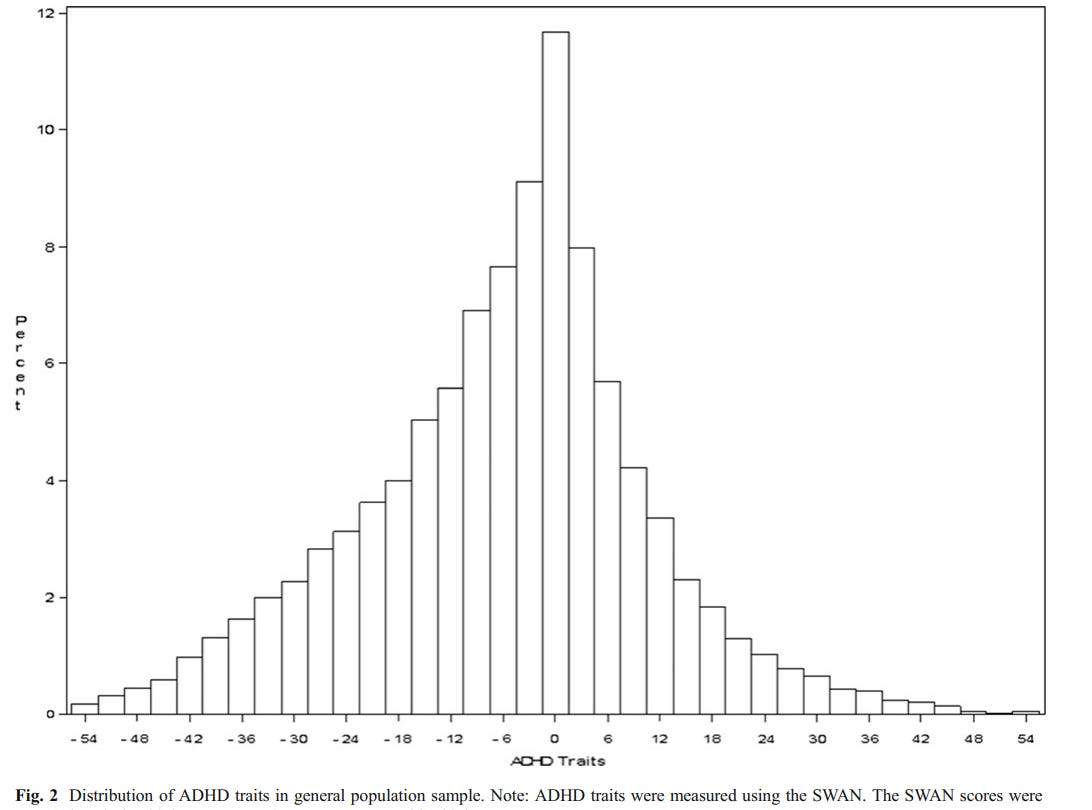
Like most psychiatric disorders, its liability follows roughly a bell curve distribution, and there is no concrete biological or genetic trait that defines it. ADHD is more accurately described as a label that matches to physical reality with some accuracy; what it really is or whether it exists are not the right questions.
Attention deficit disorder is not desirable
ADHD is genetically correlated with the following traits: low IQ, depression, being overweight, poor health, and insomnia. Things people do not want to have.
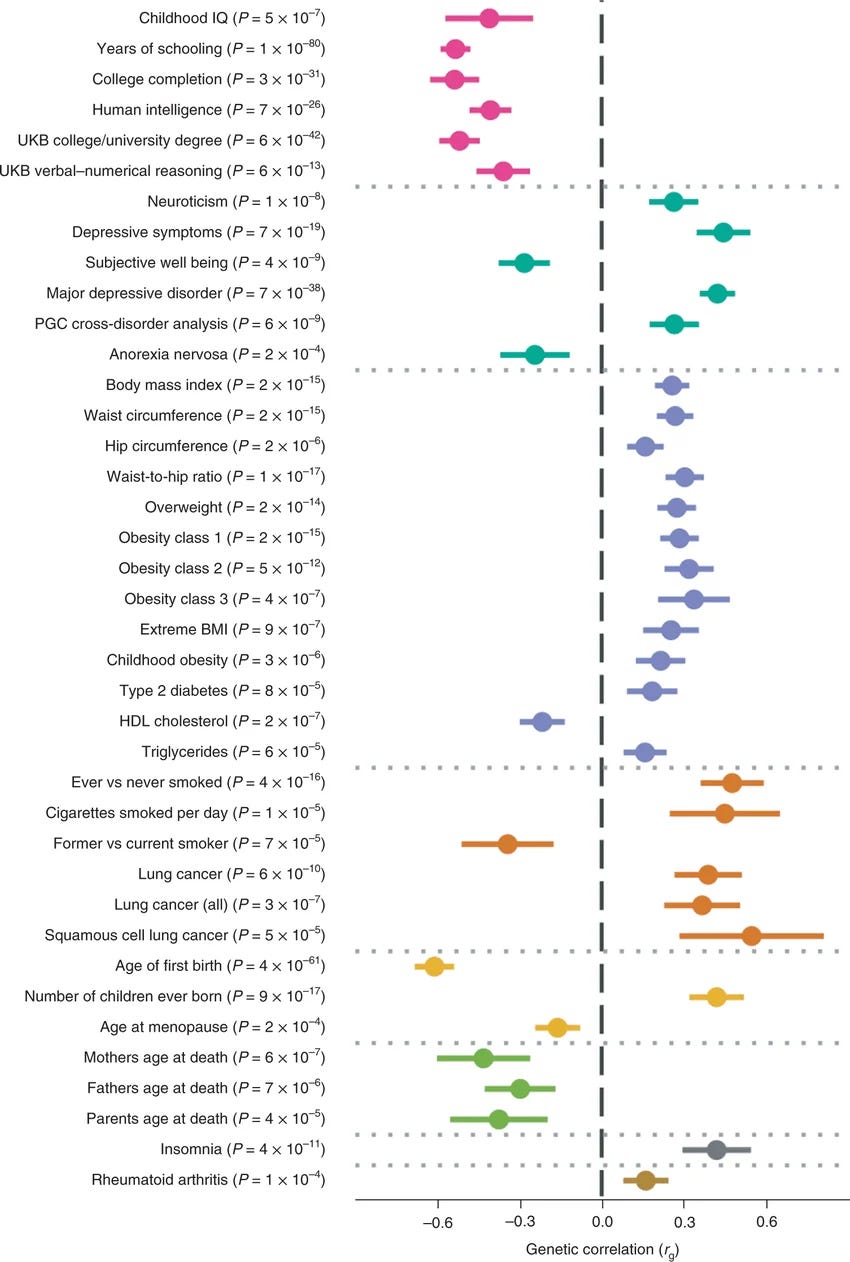
These might be just correlations, which can be biased by selection in terms of who gets diagnosis, but it’s still a bad starting point.
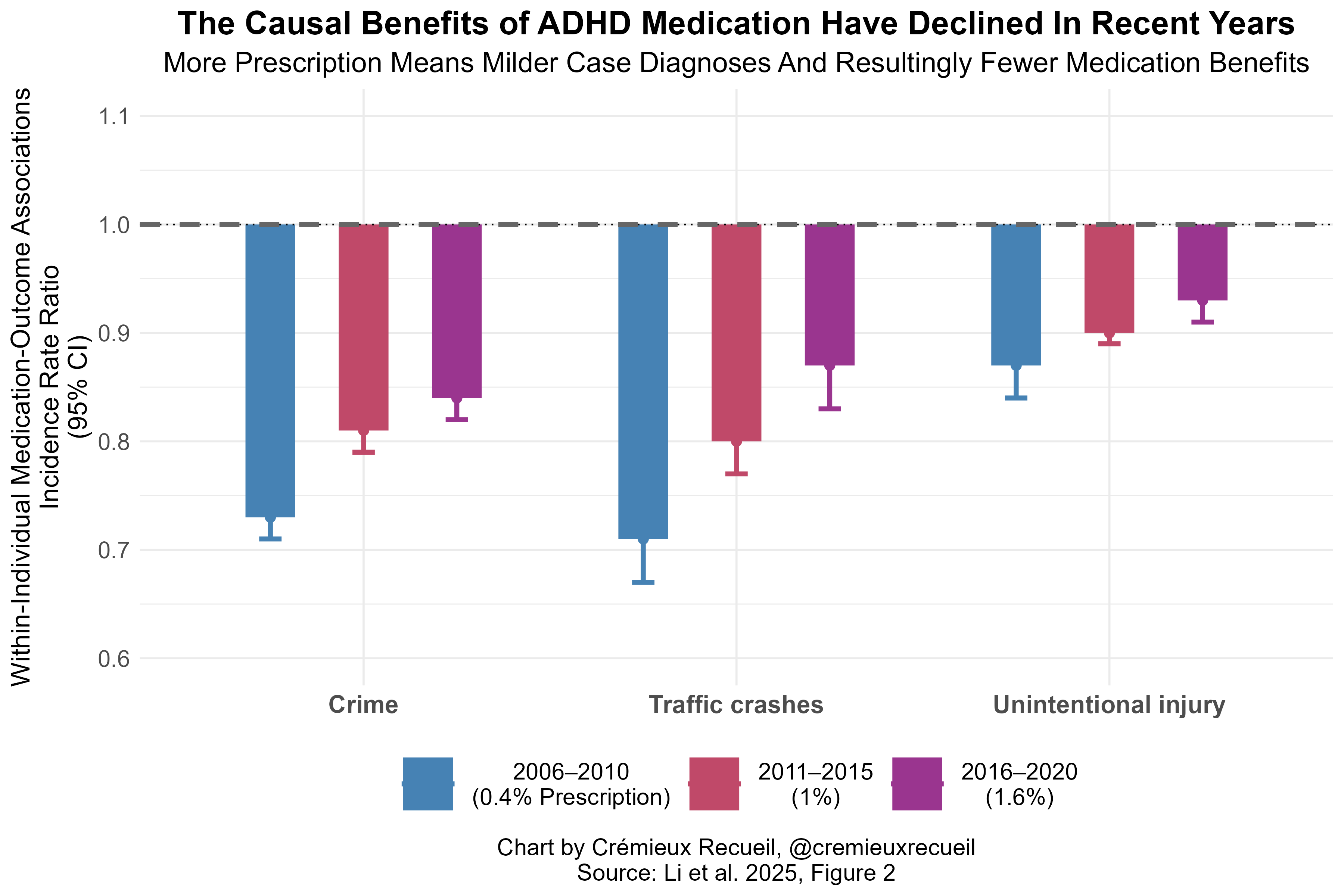
Another piece of evidence: when people take stimulants to treat ADHD, they improve in terms of functioning and life satisfaction. If ADHD was a superpower, you would expect treatments to make them worse. They don’t.
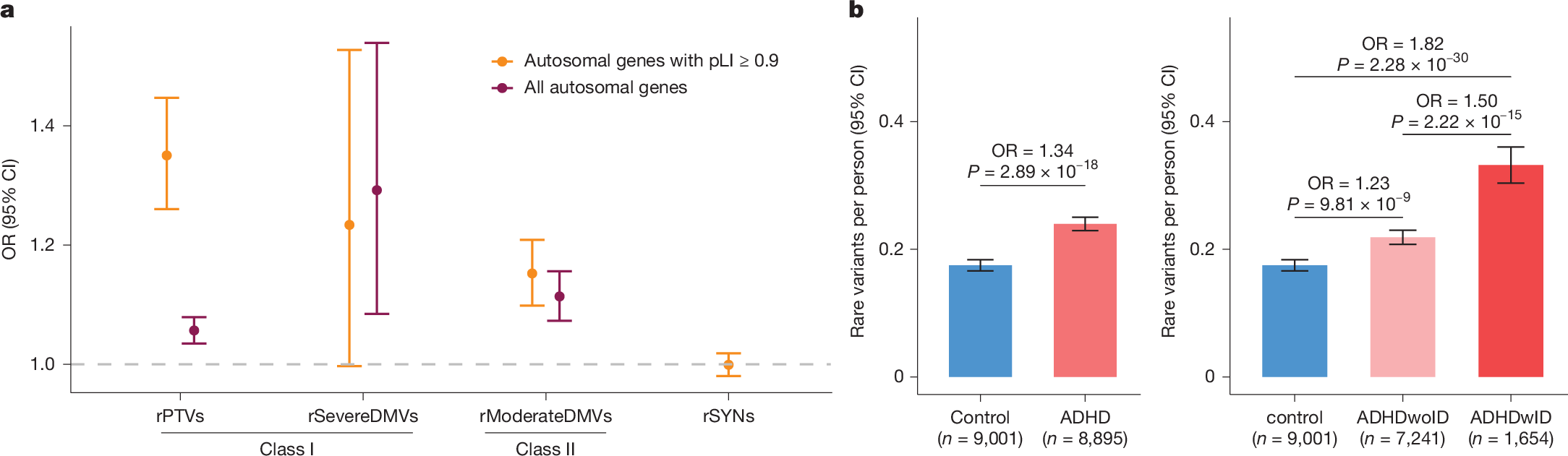
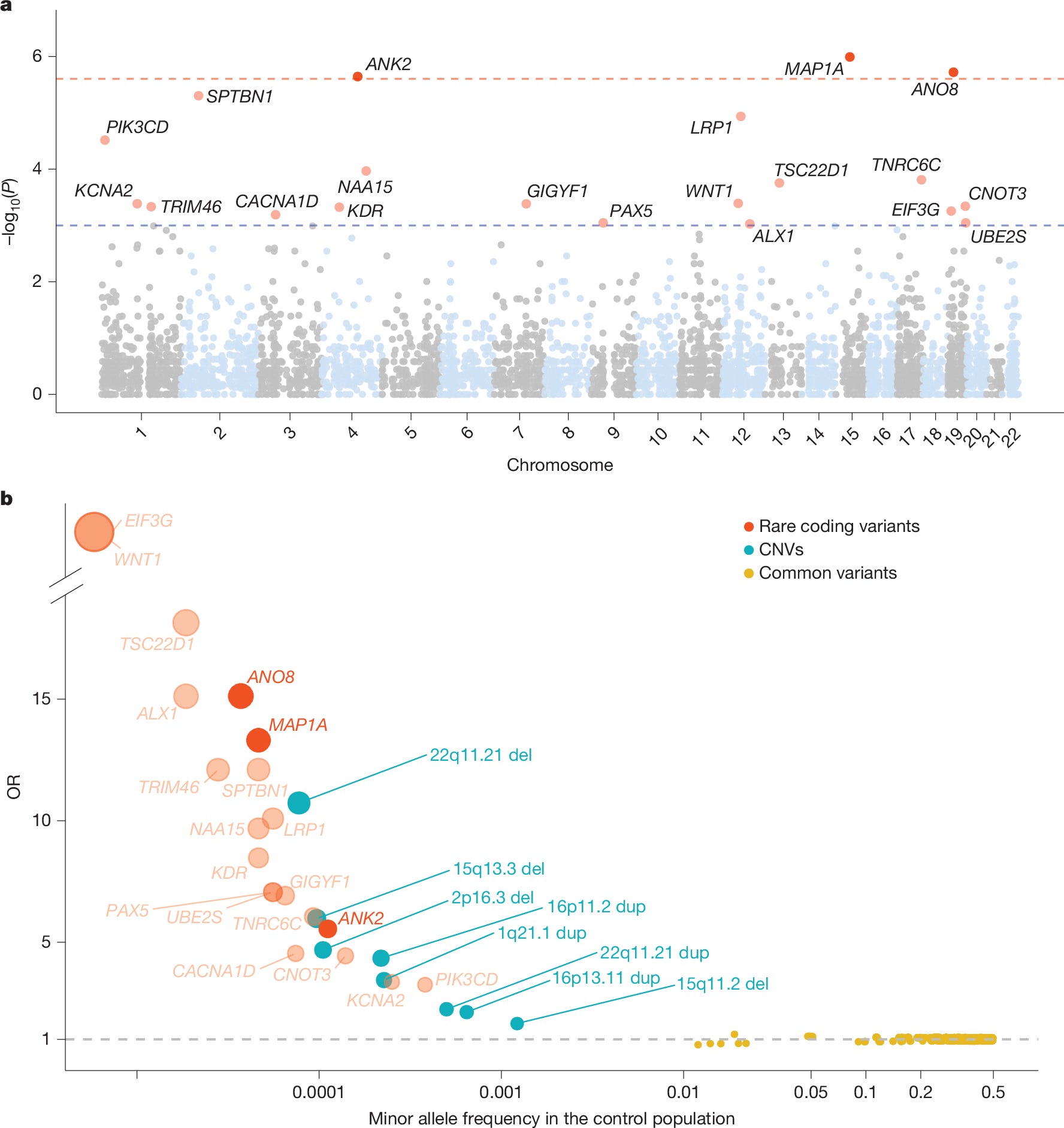
Another piece of evidence: people with diagnosed ADHD tend to have more mutations. To date, every single rare variant associated with ADHD is a variant that increases risk2, suggesting that it’s been evolutionarily selected against. Evolution is trying to prevent it from manifesting, despite the fact that people with the disorder tend to have more children.
Essentially, there’s a lot of evidence that suggests that ADHD is undesirable: it genetically correlates with a lot of negative things, mutations disproportionately cause it, and treatments intended to cure it make people feel and act better. So what’s the case for it being a positive?
When it comes to the benefits of ADHD, one thing disproportionately comes up: hyperfocus — the ability to spend a large amount of time and effort on one task.
Ignoring the futility of making a theory of what ADHD is, people with the disorder do not seem to struggle with the ability to focus in general.

The difficulties with focus tend to come when the task at hand:
Is not urgent, interesting, novel, or of appropriate difficulty
Involves delayed rewards
Involves uncertain rewards
When people with ADHD do find a task they find rewarding or intrinsically motivating, they lock on to it. Perhaps if a software engineer had ADHD, and found coding to be intrinsically enjoyable, then they might end up being better at it than neurotypical people.
The next question then is: is that good? Maybe. Maybe not. Personally I find that intrinsic motivation can be quite powerful, but if it is not eventually rewarded from the outside, the motivation dries out. You get more depressed.
When one tries to accomplish a goal, some of the tasks will inevitably be tedious and painful. All careers have their version of office politics and peer review. Whether it is medicine, software engineering (code review?), film, or academia. .This also applies to great ambitions: a novelist must edit, a film director must practice his craft, and a philosopher must confront his physical limitations. People with ADHD are not good at doing things that are tedious or boring, and that makes them worse at accomplishing goals.
Beyond hyperfocus, some people think that mental illness causes genius: I’m generally opposed to the idea.
I can see the idea’s starting point. The world’s objects do not come with value judgements, so it’s possible that the kinds of nervous systems that are bad at being happy and stable are extremely good at doing stuff like making art. Maybe there is a gene that makes people better philosophers, but worse lovers.
Yet, the rule is that functionality correlates: richer people are generally smarter, more stable, and interpersonally skilled than people in the general population.
I’m also sympathetic to the idea that outliers are often idiosyncratic. I like looking into the biographies of artists I admire, whether they are novelists, film directors, manga artists, even entrepreneurs. I was reading about Kishimoto (author of Naruto) — he was a country kid who felt taken unseriously because of his background, which you can see in his writing; Isayama (author of Attack on Titan) — was physically underdeveloped student with bad grades who felt socially pressured, which you can also see in his writing; Stanley Kubrick — was a perfectionistic teenager who was obsessed with photography; and then we have people like Michel Houellebecq.
Art is an inherently unstable vocation, one that encourages the development of ideas that differ from others, where pay is irregular and success is not expected. Artists, even successful ones, are stereotyped as unstable or narcissistic. The kind of people who would commit to something that usually results in no material or social gain.
Then, you have the everyday model of artistic talent, which goes something like this:
Emotionally unstable people experience the world more intensely.
Intense experiences produce unconventional thoughts.
Unconventional thoughts produce original art, which is better than derivative art.
Consequently, psychological instability is conductive to artistic advancement.
On the other hand, being emotionally stable and disciplined as an artist could also be extremely helpful. The emotional stability allows one to endure periods of social or financial poverty; discipline tempers what ideas people put in their craft, and also allows them to create things more consistently and at higher rates.
The label “unstable person” is also incomplete. People who are internally stable might not necessarily be the same type of people who lead consistent, ordinary lives. In fact, it is probably the exact opposite: that people who are internally unstable need to balance themselves with external consistency.
Maybe, there are psychological qualities that cause people to have better artistic ideas (high neuroticism + openness), and then there are people with the psychological qualities to turn those ideas into implementations (high conscientiousness + neuroticism). I think both parts of the equation are equally important.
Besides the hyperfocus theorists, ADHD advocacy is common among people with antisocial attitudes and worldviews. Their idea is that people with the disorder who cannot focus are actually liberating themselves from the chains of society, that the impulses other people hate so much originate from good intentions or incentives.
The problem here is that people with the disorder seem to struggle in a wide range of areas: finances, happiness, fitness, you name it. Their ability to ignore what the man tells them to do also applies to… what they actually should be doing. If the median person with ADHD was a street-smart type who was hard to emotionally or socially manipulate, then you would not expect that to be the case.
I’m sympathetic to the idea that modern dating is not psychologically rewarding to many people, or that modern workplaces are too inhibited, structured, and devoid of meaning. Schopenhauer might have been a loser, but he was right about a few things. People with ADHD might not fit into those kinds of environments for reasons that go beyond their objective contributions.
The fact remains that attention deficit disorder is a disorder.
On theories of ADHD
On a related note, I am not a fan of the theory that ADHD is a personality3.
In the big 5, we have extraversion, openness, neuroticism, conscientiousness, and agreeableness. ADHD diagnoses seem to relate to lower levels of conscientiousness, agreeableness, and higher neuroticism.
People with ADHD do exhibit lower levels of conscientious behaviour, but this has more to do with cognitive limitations than preferences or identitarian motivations (“I want/need to do X”). The water between what constitutes “personality” and “cognition” is already very muddy, but this is the way I see it: conscientiousness has more to do with a preference for correctness and deliberation, and less with how those preferences are executed in the moment.
Some people just don’t care that much about eating healthily, being productive, or keeping a clean house. Those people can simply be described as unconscientious or lazy. People who have attention deficit disorder seem to be suffering from a different problem: that they want to get things done, but can’t do them.
I also suspect that the average person’s mental weather is much more antisocial and dark than they let on. They just have the ability to control their impulses and ignore their strange thoughts. People with ADHD do that less effectively, so they look more disagreeable, but I don’t think that’s the same thing as being disagreeable.
Then we have the internet brainrot theory of ADHD, which is something along the lines of “not enough dopamine4”5. It’s wrong in the way one would expect.
The kind of pathology seen in ADHD is not strictly “low dopamine” or “high dopamine”. It involves both low-D behaviours like not being able to focus or pay attention, and high-D behaviour like compulsions or addictions.

You could then specify that ADHD is “bad dopamine signalling” — that does not specify what that signalling looks like, and it also ignores that catochelaminergic6 systems often involve other neurotransmitters. Norepinephrine, for example, is made from dopamine; medications that interact with both of these neurotransmitters show efficacy in treating ADHD. Orexin regulates the signalling of histamine, dopamine, norepinephrine, and several other transmitters — the main control system that regulates sleep.
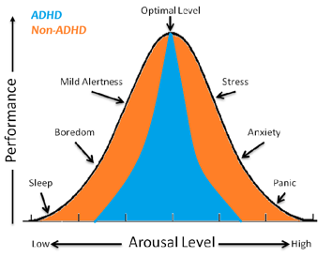
On a side note, I think there might be something to this theory: that people with ADHD are not under or over stimulated, but their body does not respond to tasks with proportional levels of arousal. e.g. they find it hard to sleep when their body needs to, or they have muted responses to stimuli that the body registers to be important. There is a disconnect between what they perceive to be externally stimulating and what they actually find internally stimulating.
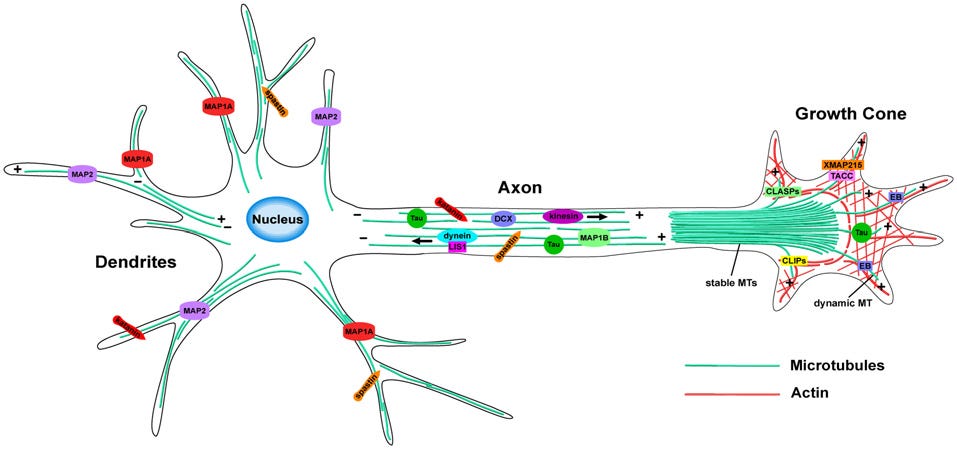
Unsurprisingly, the overwhelming majority of genes associated with ADHD are expressed in the brain or pituitary gland. Mutations that elevate liability to ADHD are disproportionately expressed in dopaminergic/GABAergic neurons.
One study was able to identify mutations that cause extreme rises in the rate at which people are diagnosed with ADHD: MAP1A, which helps assemble microtubles; ANO8, which codes for a transporter in cellular membranes; and ANK2, which stabilises ion transporters in cells (?). Quite the varied bunch.
There’s also a neuroenergetic theory of ADHD, which is that it involves a compromised capacity for neurons to recruit energy. It’s better than the dopamine brainrot theory, but it’s still another overly totalising and academic theory.
Interestingly, this theory predicts that the therapeutic effect of most ADHD medications (when treating “real ADHD7”) is solely due to how they change norepinephrine signalling, not how they affect dopamine. Where the theory fails is that NDRI stimulants (e.g. amphetamine) are still more effective than NRIs, meaning that the dopaminergic effect still has some residual value. It is also contradicted by the genetic evidence which finds that genes that change the function of dopaminergic/GABAergic neurons are positively associated with ADHD.
Stimulants: an elephant in the room
Psychiatric treatments are often controversial: antipsychotics are infamous for making people numb, opioids are infamous for being dangerous and addictive, and SSRIs are infamous for… a lot of things.
Stimulants are also controversial, but less so then other treatments. Only about a third of adults with ADHD take them; I’d guess the nonadherence has more to do with poor tolerance or a lack of necessity than any opposition to the drugs themselves.
That said, the drugs are still highly sought after. I’d guess that the rate of ADHD diagnoses would halve if lisdexamphetamine (vyvanse) was available over the counter.
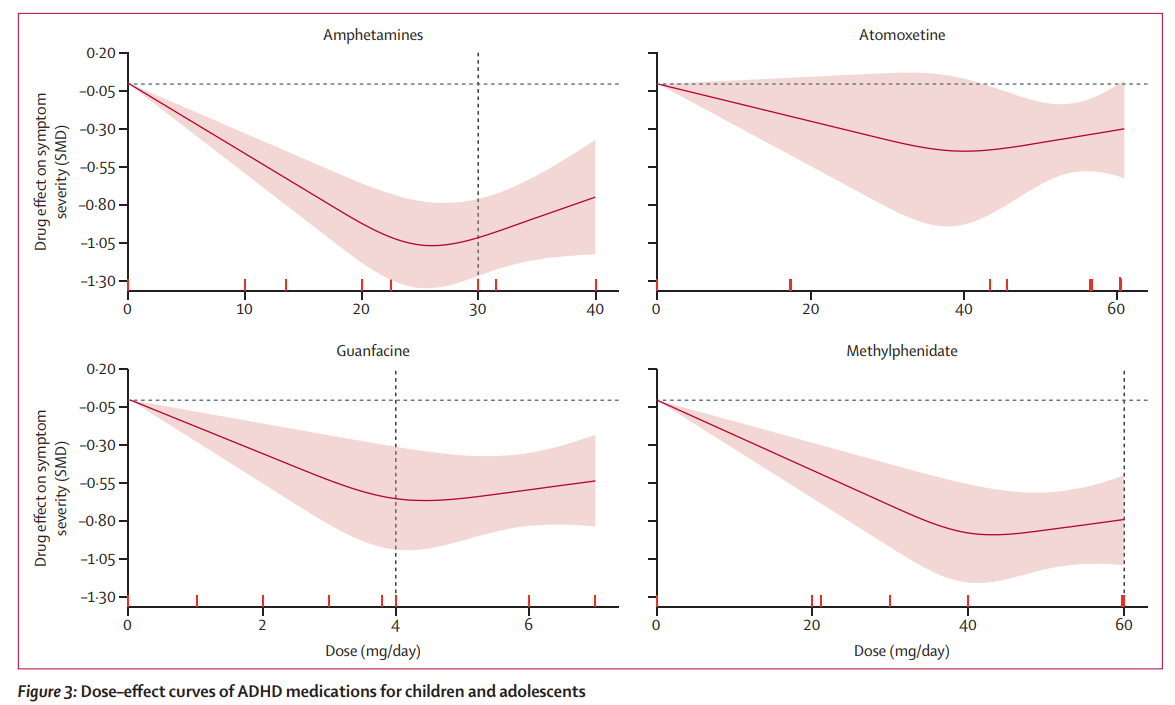
Statistically, stimulants are by far the most effective treatment for ADHD — when they are compared to non-stimulant medications, lifestyle interventions, or therapy. They are also among the most popular and highly rated nootropics — drugs that people take to enhance their intelligence or cognitive function. There are studies that evaluate the effects of stuff like CBT, exercise, and school interventions, with varying levels of support for them; my intuition is that all of the literature on that stuff is p-hacked. If they work for some people, good for them, but they probably shouldn’t be priorities.
If you look at the largest network meta-analysis of ADHD treatments8, the more modes of action a treatment has, the more effective it seems to be9.
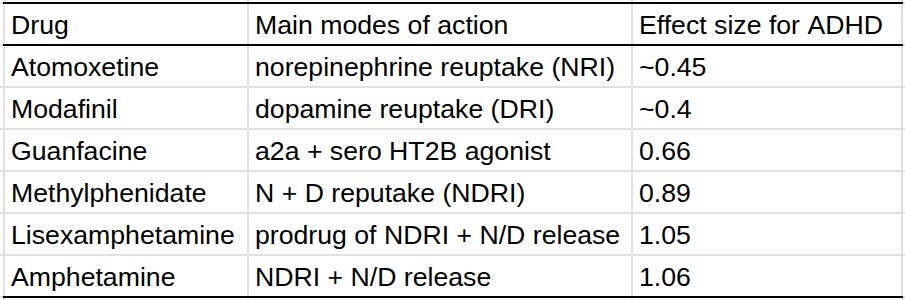
People have different interpretations of these figures. Some people argue that patients are more likely to notice the subjective effect of stimulants, so they are more likely to say that they are working. That might be true to some extent, but it’s clearly not the full picture: modafinil is also a stimulant, but has a much lower effect size than amphetamines, and is even less effective than the non-stimulant medications (atomoxetine, guanfacine). I think the most likely explanation for why patients and their doctors say amphetamines work well is that… they do work well. They increase IQ by about 2 points in neurotypical adults, and slightly more in people with ADHD. Given how small the effect is, that suggests that the therapeutic effects of stimulants have more to do with how they change behaviour and affect than how they change cognitive ability.
In the large number of people with diagnosed ADHD but do not have it — who just want it for work, actually have a sleeping problem, or actually have depression — they would likely benefit from stimulants anyway, though they would be better served by medications that are intended to treat or cure their specific conditions.
Theoretically, the best treatments for ADHD are lisdexamphetamine and dextromethamphetamine. The latter can be prescribed under the name desoxyn10.
Amphetamines have two isomers: dextroamphetamine and levoamphetamine; this is also true for methamphetamine. The dextro-isomer version of the drug is more effective at penetrating the central nervous system relative (CNS) to how much they stimulate the peripheral nervous system; this results in more potent effects with fewer sides (headache, nausea, heart pump, dry mouth, decongestion, etc).
Methamphetamine and amphetamine are identical in all respects, except that meth has one methyl group — it makes it cross the blood-brain barrier faster. The group/isomer also change the the extent to which they release norepinephrine (NE), dopamime (DA), and serotonin (5-HT) — meth releases relatively more serotonin/dopamine, and amph releases relatively more norepinephrine.
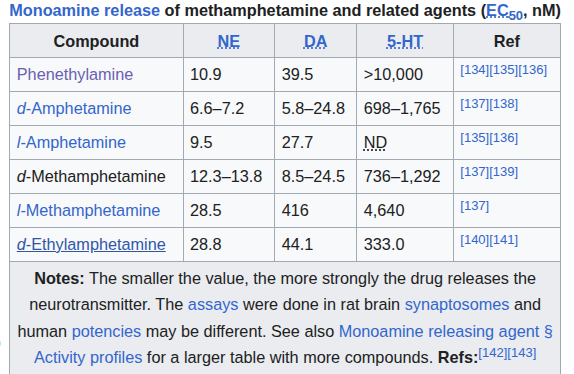
Dextromethamphetamine is probably the most optimised stimulant possible, which makes it highly effective, but also highly abusable — as it crosses the blood-brain barrier quickly, and is easy to take in high doses because it doesn’t have the same peripheral kick that amphetamine has. There is very little clinical literature on how well meth treats ADHD because very few patients are prescribed it, and there is a massive stigma surrounding the drug because of how strong it is and how often people abuse it.
Lisdexamphetamine is good because it has a half-life that makes it last through the evening, and if dosed properly, it results in a small crash around the time people tend to want to sleep.
Most countries typically prescribe methylphendiate (safer, less effective) or non-stimulants (e.g. atomoxetine) to treat ADHD; some countries like Russia and Kazakhstan don’t even prescribe stimulants. The United States and Australia are unusually willing to prescribe amphetamines. The world is a cruel place.
If we are talking about amphetamine, the effect size for self/parent reported symptoms of ADHD is 1 standard deviation — pretty massive as far as psychiatric effect sizes go.
Critics of stimulants rarely dispute that stimulants do things to the human body, and that some of these things can be positive. Most of their arguments take some form of:
Appeal to rare and serious risks — psychosis, addiction, and overdose.
Appeal to health: the neurotoxicity of stimulants and their effect on mortality.
Appeal to side effects
As far as 1 goes, stimulants are drugs. If they are not used appropriately, then they cause problems. Big news.
There is a very big problem when it comes to assessing the long-term effects of ADHD treatments: selection. Patients who take their medications are not the same people as those who do not, both before and after they began treatment. So on top of the original problem, which is that many people diagnosed with ADHD do not actually have it, we have another layer of selection.
In Sweden11, it seems like the patients most likely to initiate are older, male, and higher in education. Perhaps because there is more pressure on them to have higher earnings, or because they can attain them. The same was true for people who discontinued treatment, with the exception that doing so was not associated with gender.
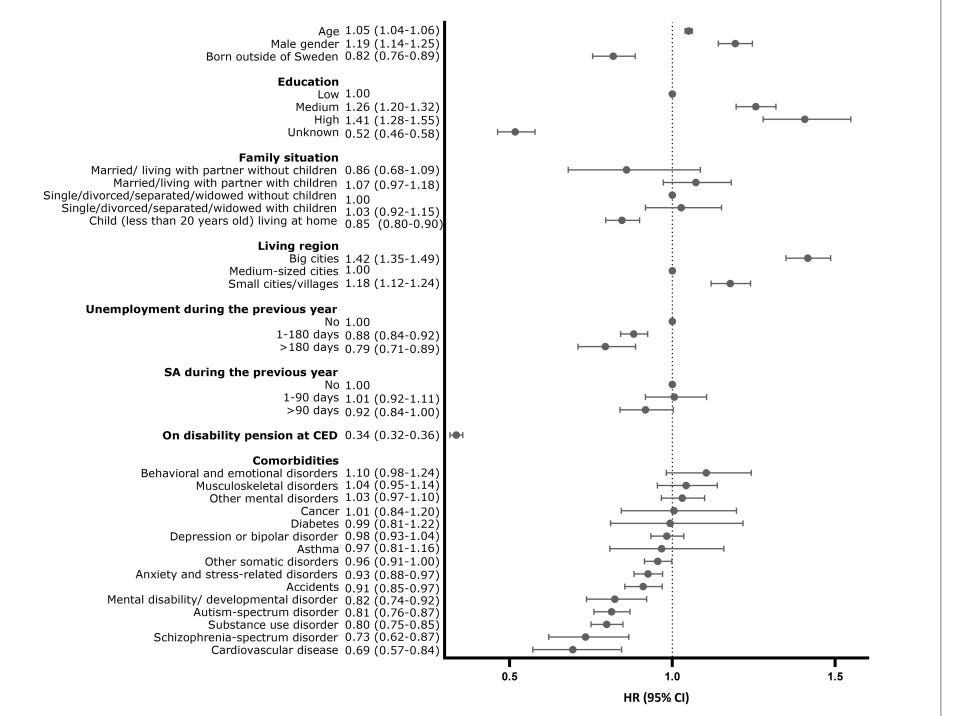
In the United States, white and male children are more likely to initiate treatment.
It is possible to find people with ADHD who are and are not taking their medications, and find that they differ after a certain period of time. This does not prove that the drugs did anything, as the effect could be produced by selection.
As far as health goes, it seems like using ADHD treatments at a given time is associated with lower death rates, with the aside that this is the observation that would be expected from the confounding hypothesis. Despite increasing people’s heart rates and blood pressures, a meta-analysis finds that they are not associated with cardiovascular disease. I also think this is misleading: stimulants probably make heart attacks happen more frequently and severe; the reason for the null is that people who are already at risk of getting a heart attack or stroke are less likely to take stimulants, and that clinical doses of stimulants tend to be fairly low.
There’s also a higher quality, single study from Sweden that finds that using ADHD medications is linked to higher odds of cardiovascular disease. I’m inclined to trust it.
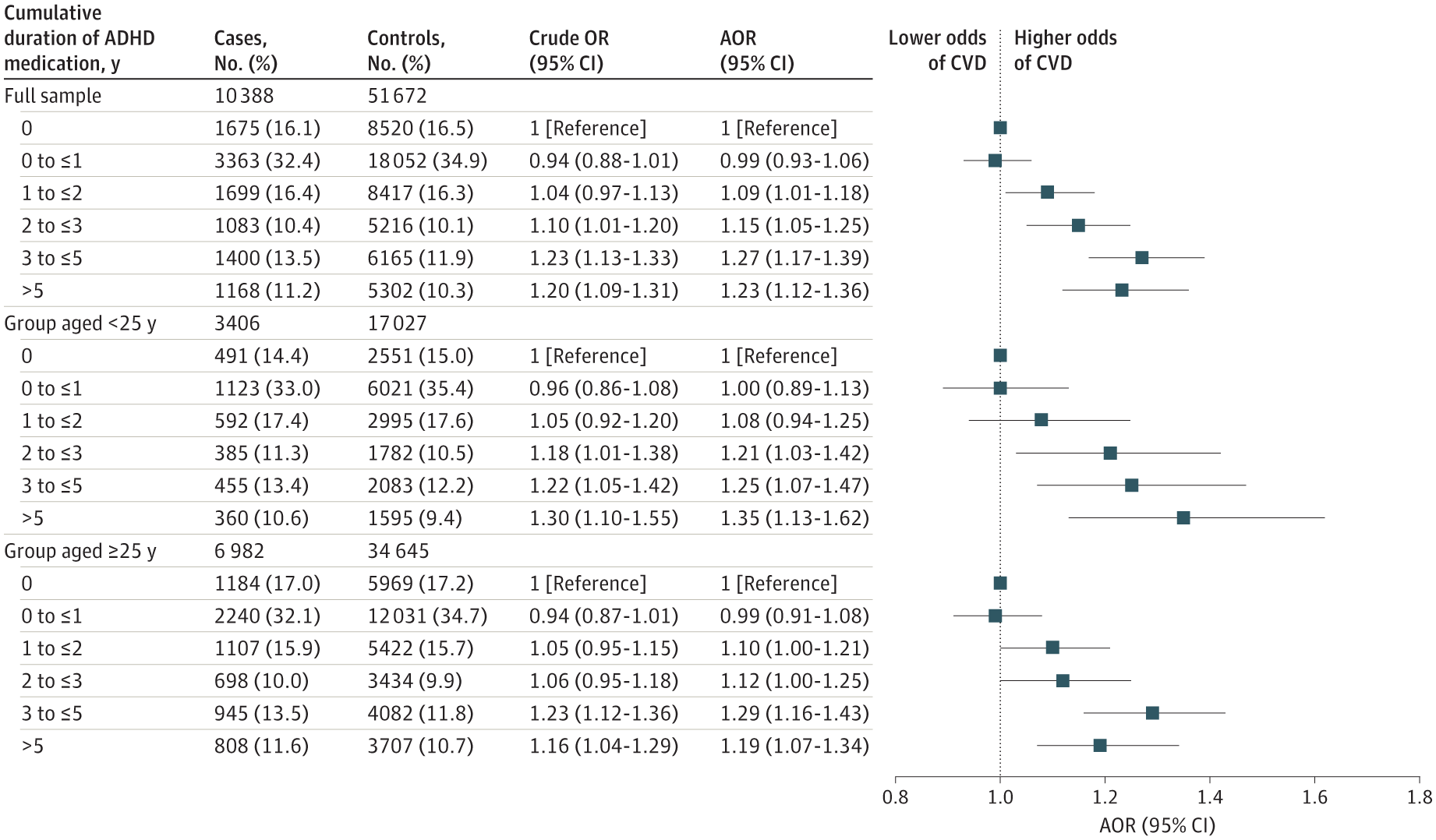
Then there is the question of neurotoxicity and cerebral damage. The majority opinion of scientists and psychiatrists on ADHD treatments is that, in the long term, they normalise the cognition of people with the disorder and improve it. I also think this is probably wrong, and if there is an effect, it goes in the other direction.
Anecdotally speaking, some people who were previously drug addicts or who frequently use recreational drugs… just seem to be a little off. Like in terms of how quickly they think and how they speak. Weed, meth, heroin, any type. You wouldn’t expect them to mirror the general population, but working memory/processing speed in particular seem to be compromised in drug abusers.
Clinical doses of stimulants are an order of magnitude lower than those of addicts and recreational users; even if it were the case that drug abuse causes brain damage, it’s not necessarily the case that smaller, consistent doses will cause the same effects.
There are some scientific papers that find that using ADHD treatments is associated with more favourable changes in brain structure, or lower levels of cognitive decline. Beyond the obvious confounding issue, the statistical rigor of said papers is… low.
One (landmark?) paper finds that the availability of dopamine transporters in certain regions of the brain increased after subjects with ADHD were treated with methylphenidate (stimulant).
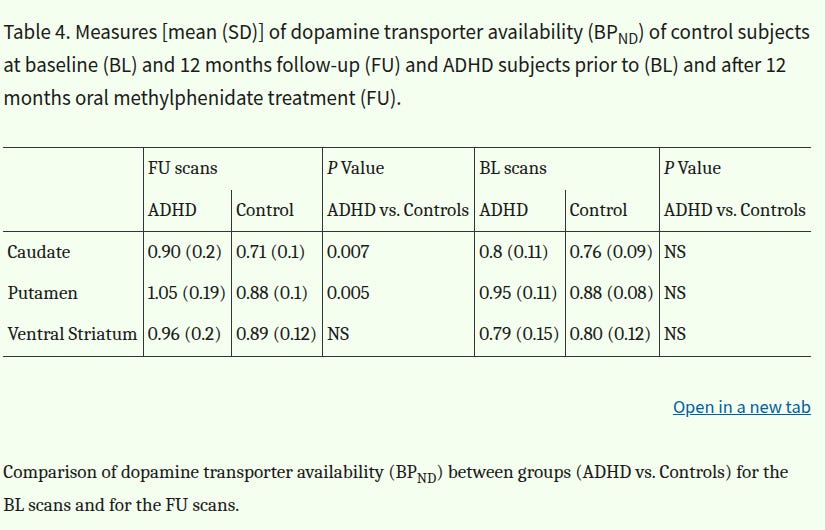
Forget the issue of multiple testing + p-hacking. This isn’t even the right statistical test. What should be done is to see if the ADHD group improved more than would be expected from statistical significance compared to the control group; I think a simple t-test would suffice for that.
I was able to find one study that gets d = .3 in the size of some regions in the brain in children. First of all, these are children, you wouldn’t expect there to be massive differences or even apparent ones yet; second, it’s very easy to p-hack statistical associations in MRI studies, because so many different parts of the brain are measured. They did adjust for multiple testing when calculating the p-values12, but it’s still possible to hack by changing methodological details like the specific confounders used or the method used to calculate the differences in size.
Children with ADHD show abnormal brain function and structure. Neuroimaging studies found that stimulant medications may improve brain structural abnormalities in children with ADHD. However, prior studies on this topic were conducted with relatively small sample sizes and wide age ranges and showed inconsistent results. In this cross-sectional study, we employed latent class analysis and linear mixed-effects models to estimate the impact of stimulant medications using demographic, clinical measures, and brain structure in a large and diverse sample of children aged 9-11 from the Adolescent Brain and Cognitive Development Study. We studied 273 children with low ADHD symptoms and received stimulant medication (Stim Low-ADHD), 1002 children with high ADHD symptoms and received no medications (No-Med ADHD), and 5378 typically developing controls (TDC). After controlling for the covariates, compared to Stim Low-ADHD and TDC, No-Med ADHD showed lower cortical thickness in the right insula (INS, d = 0.340, PFDR = 0.003) and subcortical volume in the left nucleus accumbens (NAc, d = 0.371, PFDR = 0.003), indicating that high ADHD symptoms were associated with structural abnormalities in these brain regions. In addition, there was no difference in brain structural measures between Stim Low-ADHD and TDC children, suggesting that the stimulant effects improved both ADHD symptoms and ADHD-associated brain structural abnormalities. These findings together suggested that children with ADHD appear to have structural abnormalities in brain regions associated with saliency and reward processing, and treatment with stimulant medications not only improve the ADHD symptoms but also normalized these brain structural abnormalities.
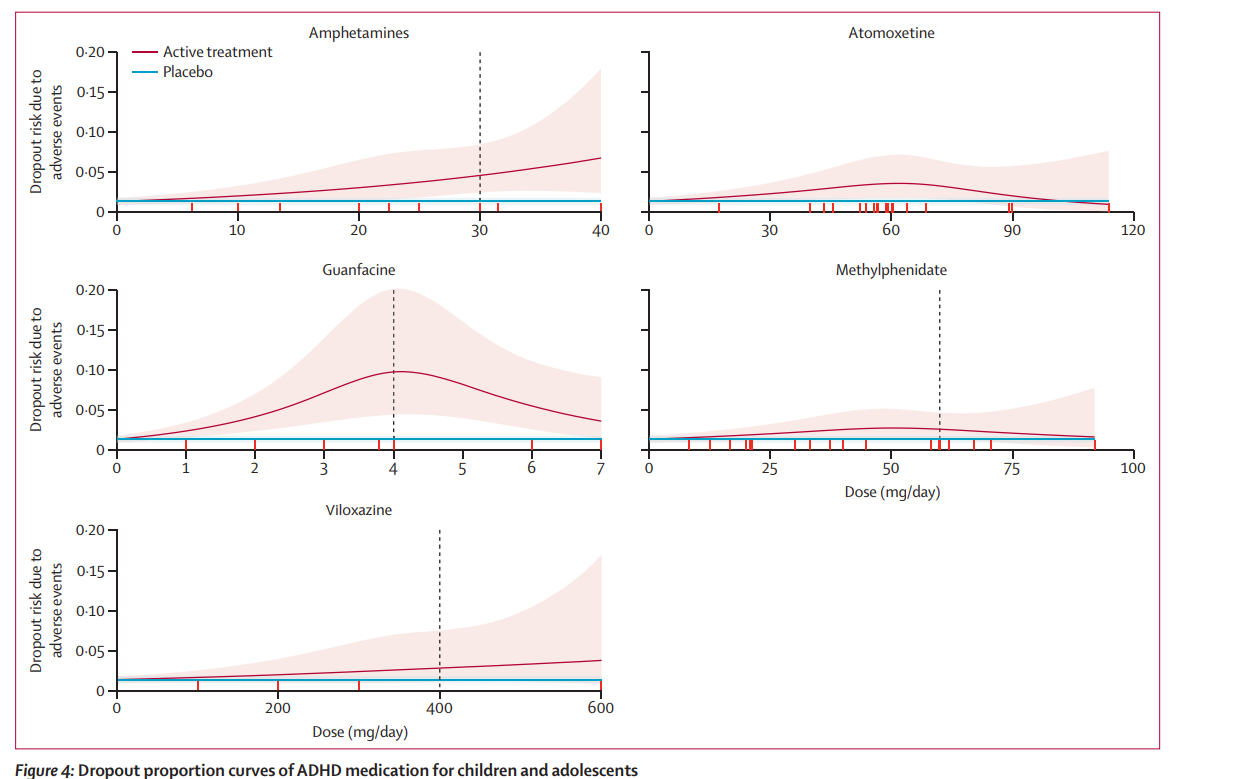
Onto the real reason that people who take ADHD treatments discontinue them: dealing with the evening stimulant crash and the tolerance/dependence buildup. Also with the undesirable changes in personality that occur, particularly: the increase in irritability and psychic tension. Anticlimactic, banal, but very real.
Given the substantial costs and benefits of stimulant medications, it could easily be the case that a person with ADHD is more harmed than treated by stimulants. So it would make sense for patients to decide for themselves if they want to receive treatment.
Which brings me to the elephant in the room on the debate regarding stimulants and amphetamines in particular. The opponents of the drugs are mostly moralists or church pastor-type people who want to “protect children”, aka prevent them from making free choices. They are (seemingly) really concerned with kids getting addicted, having their brains fried, or with them “stealing dopamine” from their future selves. The idea that stimulants are healthy is kind of ludicrous, but I also think they are vastly overstating their risks; taking 20-60mg of amphetamine a day is nothing compared to injecting/smoking 100-1000mg of meth.
The TL;DR, as far as stimulants are concerned, is that they are highly effective in treating ADHD, far beyond anything else current technology has to offer, but that they are probably not healthy, and that many people often don’t take them anyway.
The weird thing is that, if you look at objective opinion, the scientific consensus on stimulants seems to be that they are unusually safe, effective, and healthy (lol). Yet many psychiatrists still prescribe conservatively: whether it is prescribing non-stimulants before stimulants, or prescribing methylphenidate over amphetamines. The benevolent reading is that they are uninformed, or aware that the scientific consensus is incomplete. The cynical one is that they are hesitant to prescribe stimulants because they want to keep their jobs + medical licenses, and because being an adderall gatekeeper sucks.
Rise in ADHD diagnoses over time
The internet has various competing theories: genuine increases in underlying pathology, ADHD becoming a fad, or people realising stimulants work. Maybe these play a role, but I suspect that the rise in psychiatric diagnoses across time is less contingent than commonly thought.
In game theory, there is a concept called the Schelling point, which is a solution that people gravitate to when they need to coordinate, but communication is compromised. Let’s say we have a husband and wife who work, and they need to choose whether or not to work late. They would prefer it if neither of them works late, but they also do not want to be left alone at home. They can communicate at home. Theoretically, they could do so on the phone, but they find coordinating with texts/calls to be cumbersome. And they could just lie too if they wanted.
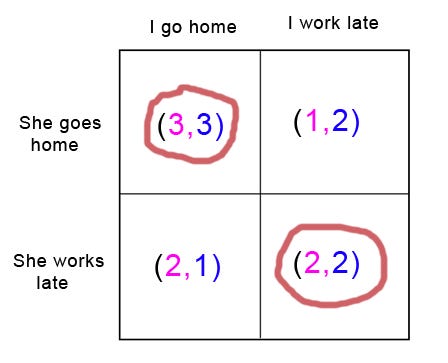
The two “natural solutions” they gravitate to over time are that they both decide to work late because they don’t want to be left alone, or they cooperate and decide to go home early at the same time.
I think psychiatry is kind of like that, in the sense that the natural drift goes towards more liberal and lenient diagnostic methods.
Let’s say it is 1970 and you are a psychiatrist. You have an accountant who finds it hard to focus at work, lowering the quality and quantity of their work, and is worried about not getting promoted or getting laid off when the next recession hits. His marriage seems to be happy, and there doesn’t seem to be strong evidence of ADHD symptoms in his childhood. You check the DSM-II and the only entry there is “hyperkinetic reaction of childhood”. You could give him a dodgy diagnosis, but do you really want to lose your medical license over 1 patient out of 10k+ you will ever see? So you don’t diagnose. He gets upset, you feel useless. Then maybe he goes to a different psychiatrist, and makes up some stories to fit the diagnostic criteria, and then finally the psych is allowed to plug him the good stuff.
Essentially, the system stuck patients and doctors in awkward defect/cooperate or defect/defect situations that nobody wanted to be in. Lenient and liberal diagnostic methods will inevitably result in there being more incorrect diagnoses, but the revealed preference of the system is that it prioritises medical care and encouraging cooperation more than accuracy. Whether these systemic changes come from institutions, cooperation between psychiatrists, or the discretion of the psychiatrists themselve — is irrelevant.
What evidence do I have for this being the case?
Part of it is that the competing theories for why ADHD (and many other disorders) are being diagnosed at increasingly high rates are lacking. There does seem to be a brainrot epidemic in the zoomer generation. I don’t want to sell out my kind, but you people need to get off tiktok and stop eating hot chips. I still don’t think that the brainrot epidemic is caused by increased level in ADHD-physiology.
Statistically, it is possible to distinguish between people reporting more symptoms of ADHD over time, and more people getting diagnosed with the disorder. The evidence overwhelmingly suggests that more people are getting diagnosed because of changes in diagnostic methods; the symptoms have nothing to do with it. This is also the case for autism.
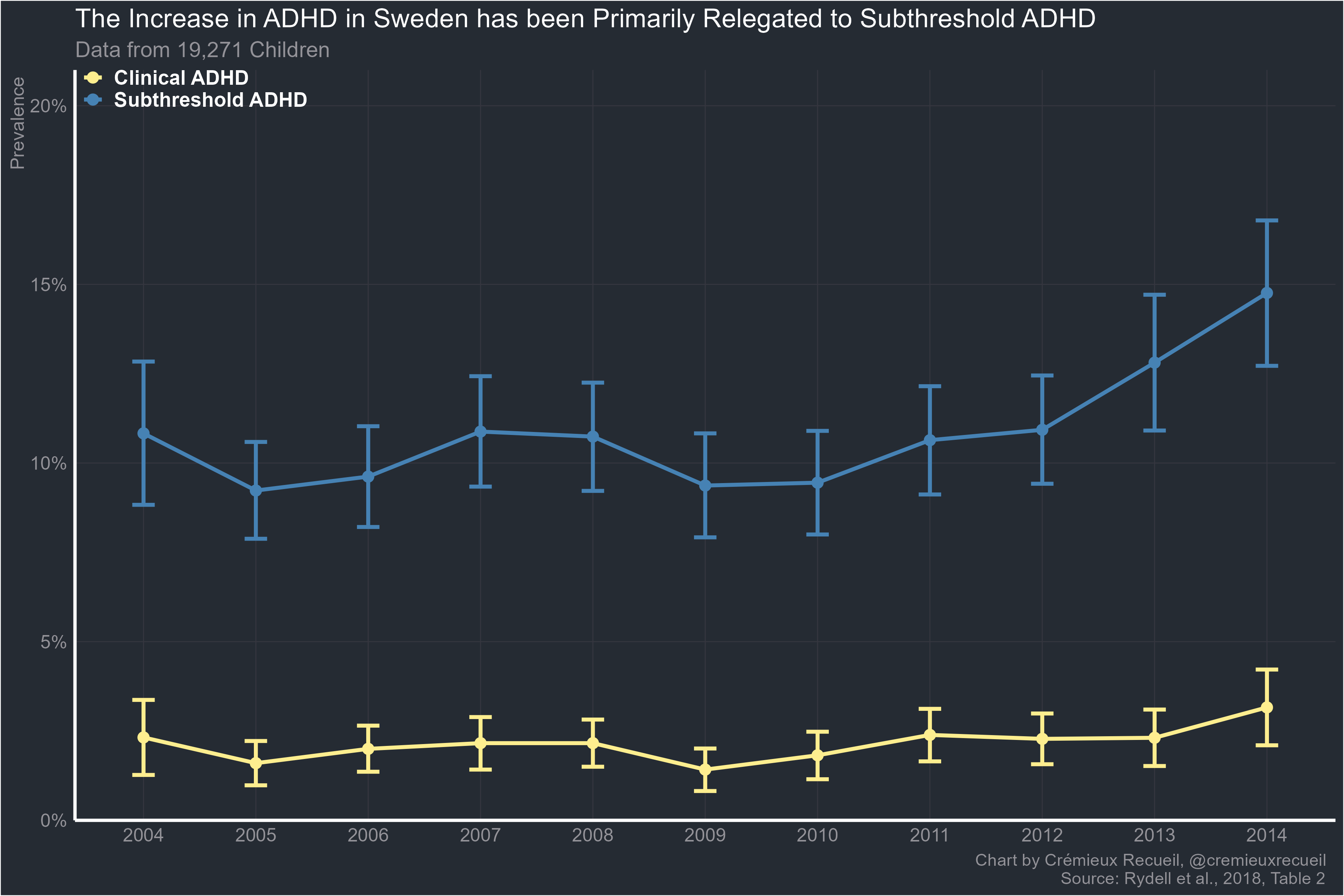
If we look at Sweden, the rise in ADHD diagnoses is concentrated in people who have levels of pathology below the regular threshold; severe levels have been constant over time.
According to the GBD, the global prevalence of ADHD has fallen slightly in teengers and young adults from 1990 to 2021; the decrease is small enough to be believable, but it could also be a simple statistical artefact.
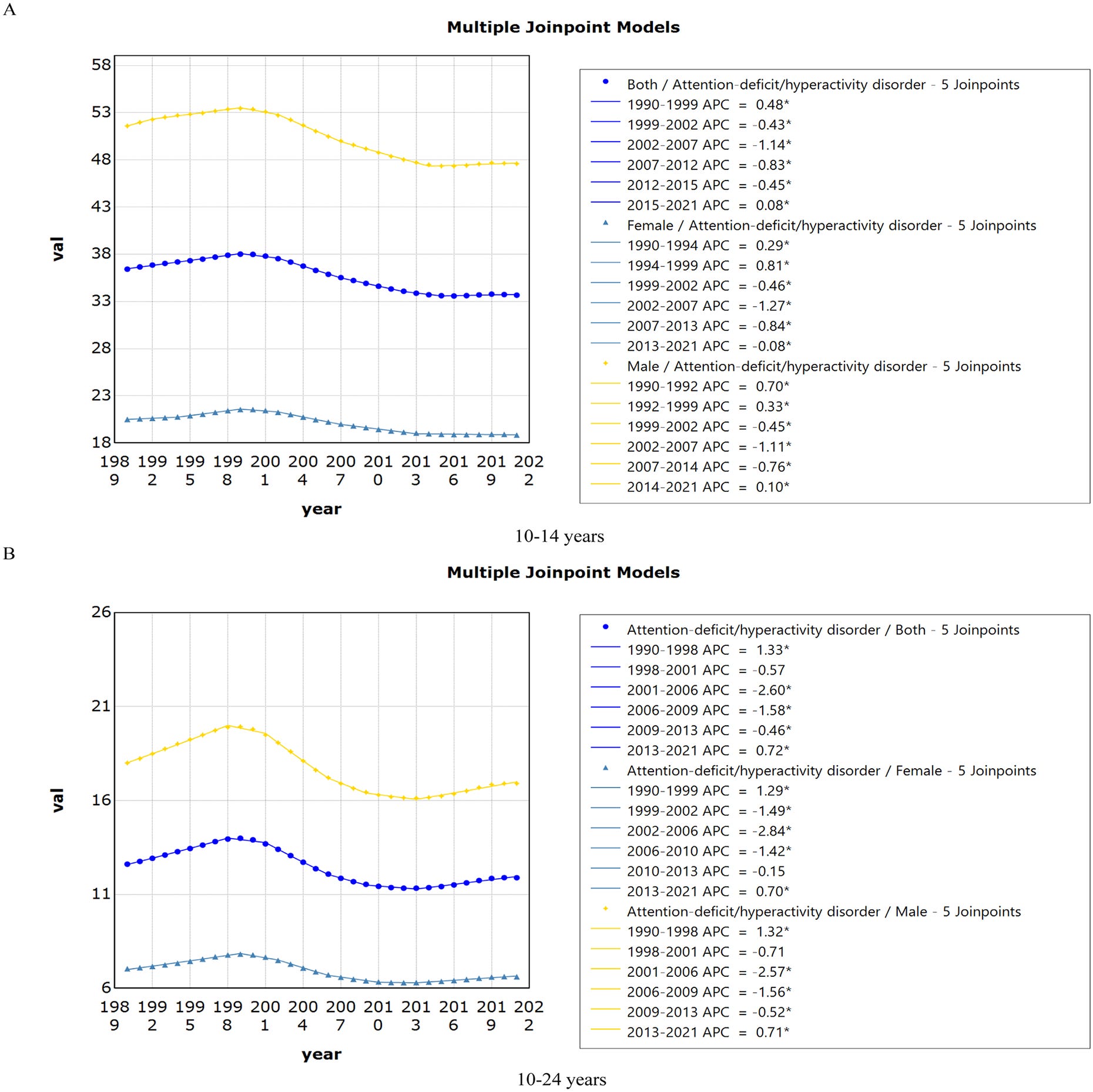
The GBD being the Global Burden of Diseases, Injuries, and Risk Factors Study (GBD), which is the largest-scale attempt to measure the incidence and prevalence of different medical disorders across time and space. I have no idea if they can be trusted.
What can be definitively said is that the rise in the use of medications to treat ADHD is not a Western-specific phenomenon. One study found that ADHD medication usage rose in every single country they tracked: Australia, Hong Kong, Japan, Taiwan, Denmark, Finland, Iceland, Norway, Sweden, France, Spain, the UK, the US, and Canada.
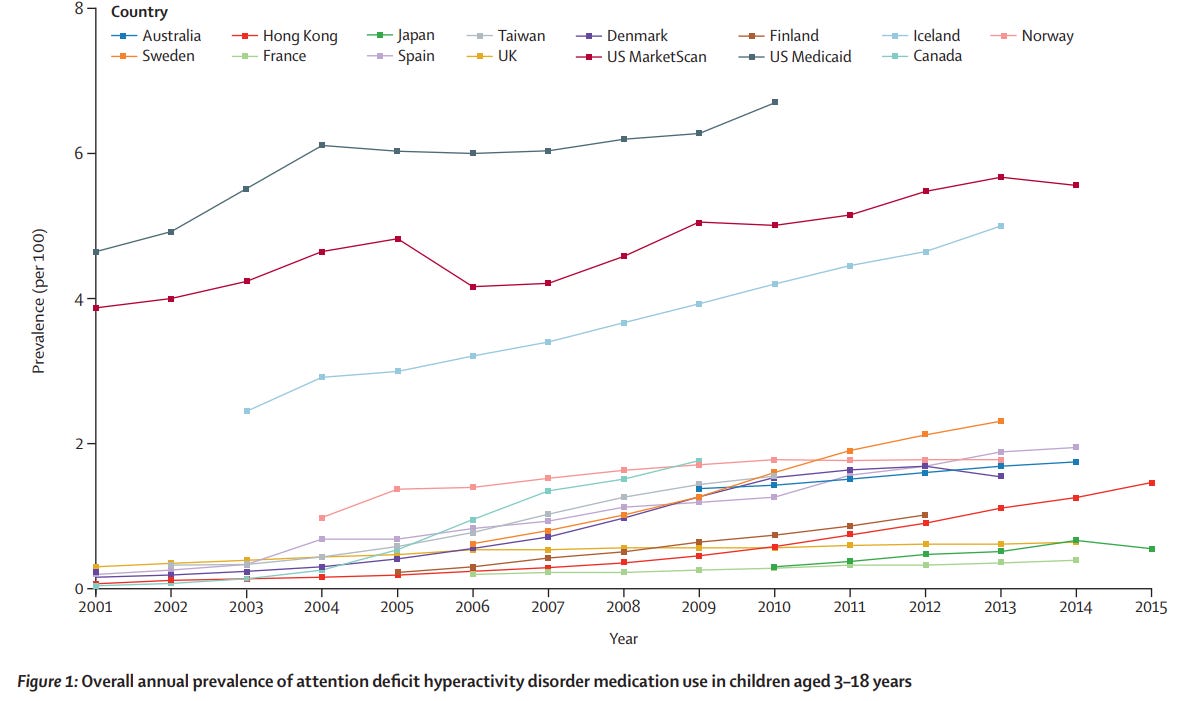
Besides Sweden, there also seems to be evidence for there being separate trends in the use of medications, diagnostic rates, and symptomology over time in other countries. Parents and teachers of English children actually report small decreases in the levels of disruptive behaviour in children over 1999-200813. The prevalence of ADHD diagnosis fell from 9.9% to 7.8% in Australia between 1998 and 2014. Despite that, use of stimulants to treat ADHD seems to have increased from 2001 to 2014 in both countries.
A larger study of 64 countries that evaluated changes in ADHD medication found something different: that rising use is the rule in rich countries, but is not necessarily the case in middle income or poorer countries. In some Latin American countries like Venezuela, use dropped.
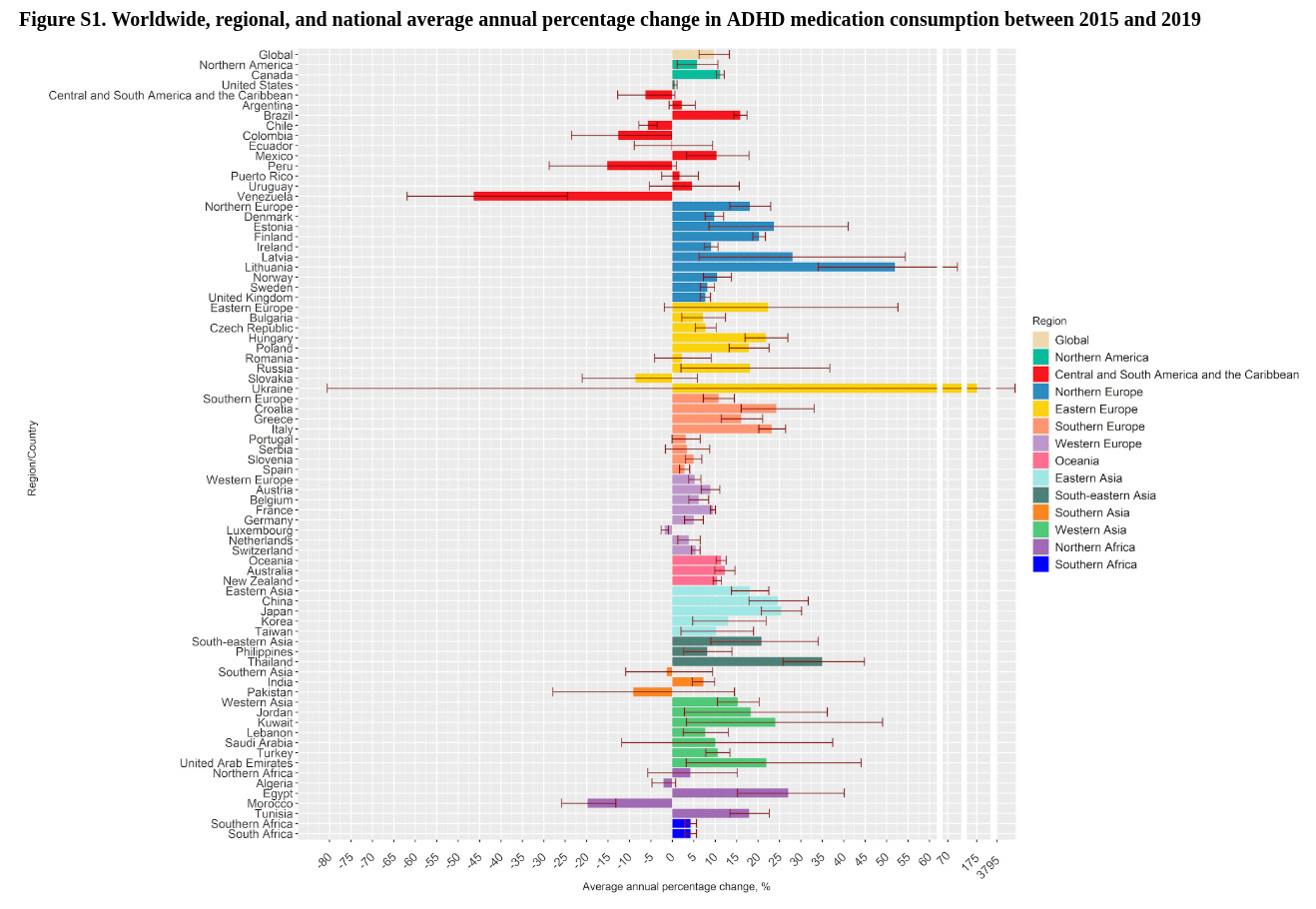
The fact that ADHD + mental illness more broadly has become a fad on the internet now looks like a very bad explanation for the rise in the use of stimulant medications and ADHD diagnoses. The rise in the use of stimulant medications has been happening in rich countries for a long time, before phones + social media shifted the internet’s gears in the early 10s. The same trends can also be observed in wealthy non-Western countries like Japan and Korea.
That leaves us with two hypotheses: that ADHD diagnoses have increased over time due to an increase in the popularity of the treatments, and that they have increased because of changes in diagnostic methods — whether informal or formal. I think both of them seem plausible.
ADHD and sleep pathology
ADHD correlates with other mental disorders. This is to be expected: almost all mental disorders are positively correlated at a genetic and phenotypic level.
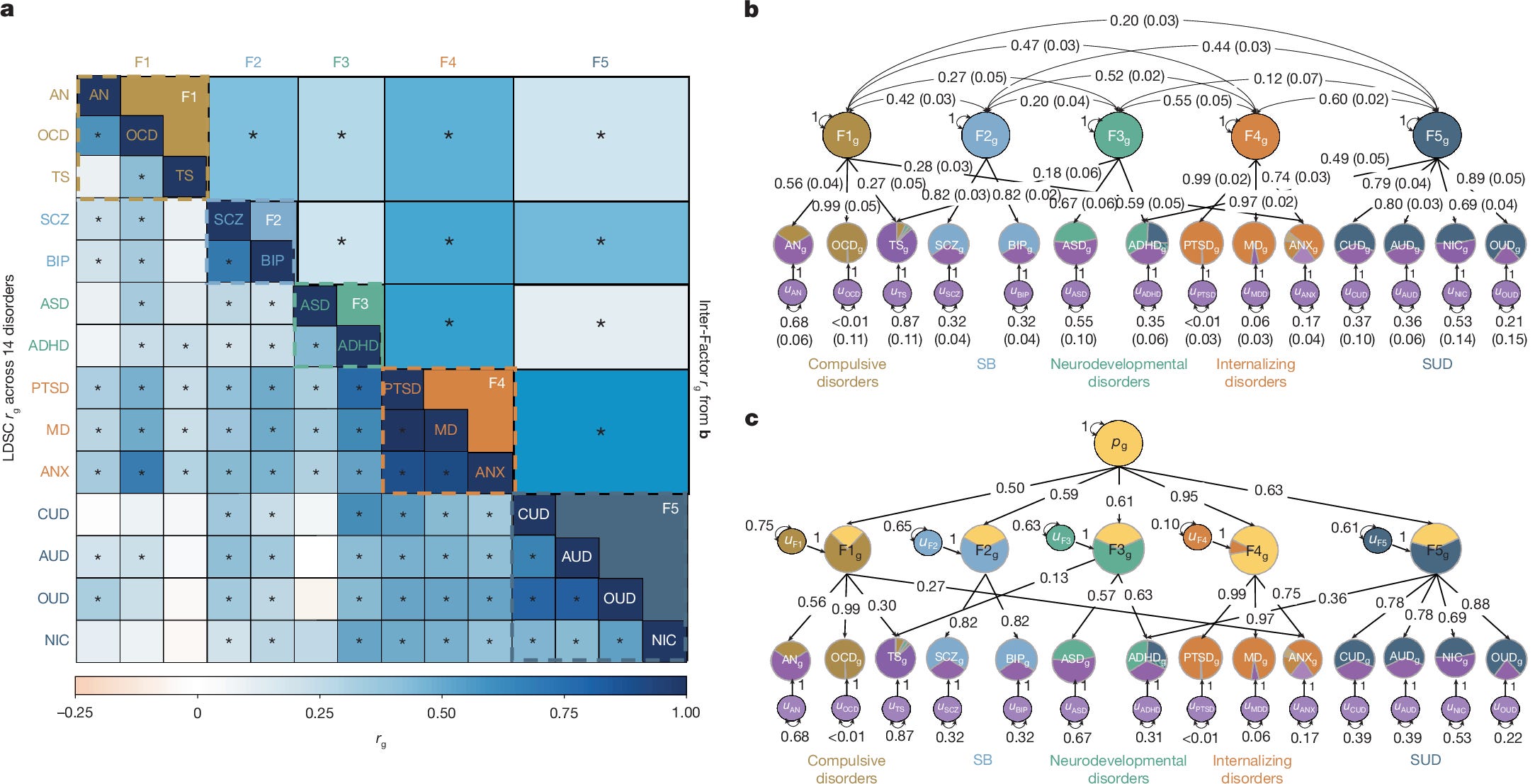
ADHD is unique in that it correlates strongly with sleep pathologies and disorders, despite the fact that poor sleep is not a traditional symptom of the disorder14. So much, that some people theorised that ADHD is actually a circadian rhythm disorder. The theory is bad, beyond the fact the wrong question is being answered.
Taking idiopathic hypersomnia and narcolepsy as examples: both of these disorders are very rare (0.001-0.1% prevalence level rare), so it’s hard to estimate exactly how much they correlate with ADHD. Currently, the largest meta-analysis on the correlation between narcolepsy/ADHD finds that ~30% of narcoleptics could be diagnosed with ADHD, which is a rate 5-20x higher than the general population’s, depending on what estimate of the baseline rate is used. The same seems to be true for idiopathic hypersomnia, though it’s even rarer than narcolepsy, so the quality of evidence at hand is lower.
ADHD and sleep disorders overlap substantially in terms of what treatments are used: stimulants work for both. I suspect that a lot of people who got diagnosed with ADHD and actually have a sleeping disorder are satisfied enough with the medications that they don’t bother seeking care for low sleep quality. That said, many sleep disorders also have effective treatments (e.g. extended release GHB or CPAP machines, aka the darth vader machine), and they would probably be better off taking those, at least in addition to a stimulant.
In additon to its physical effects, sleep deprivation also affects the mind: it lowers IQ, decreases energy, increases emotional volatility, and worsens attention. So much that, on the wikipedia page for sleep deprivation, ADHD is singled out as one of the disorders that causes the same thing as sleep deprivation.

The obvious theory15 is that sleepiness causes the same things that ADHD does, so people with sleeping problems will be misdiagnosed as having attention deficit disorder. There’s probably some truth to that.
I still think some of it is systemic overlap. Before, I spoke on how orexin regultes the signalling of various neurotransmitters: dopamine, histamine, norepinephrine, and whatnot. My intuition is that if somebody’s dopamine/norepinephrine/GABA signalling is already compromised, then adding poor orexin signalling on top of that multiplies the extent of the pathology. Executive function and sleep are both regulated by the same system: the nervous system.
Most evidence I previously discussed is not helpful as proof: insomnia and ADHD genetically correlate at about .45, but that could be because of anything. Not sleeping could be an irresponsible behaviour caused by ADHD, there could be overlap in physiological mechanisms, banal pleiotropy (e.g. protein is expressed in both neurons and fingernails), or functional pleiotropy (e.g. genetic absence of the ability to grow hands removes the thumbs along with the hand).
Family history
If I look at my mother’s family, we have:
2 grandparents
4 children
8 grandchildren
Out of those 1416:
6 have an ADHD diagnosis
2 are taking bupropion and adderal respectively, which are psychiatrically gated. Don’t know the diagnoses; didn’t ask.
1 is clearly autistic but has no diagnosis.
1 has diagnosed autism.
1 has no diagnosis, but probably has ADHD
Unsure about the other 3 — one seems depressed, the other seems neurotypical, and the last one is me.
Out of those 14 people, the only ones you could say are neurotypical are a few of my cousins and I, who regressed more heavily to the mean.
Typically, relatives of people who have psychiatric diagnosis often have the same pathologies, but with lower levels of intensity. In my case, I am inattentive, but not impulsive or hyperactive. The size of my working memory is 2 SDs lower than my IQ, which only occurs in like 1-2% of people17. It’s also probably not a coincidence that sleep is the most physiologically compromised system in my body .
And no. Being inattentive and having a terrible working memory is not a superpower.
All 14 of us either are or grew up LDS. The disorder is fairly compatible with mormon life. The religion discourages a lot of the pathological behaviour that the disorder tends to produce (e.g. getting addicted to drugs); women are also incentivised18 to become stay at home mothers. Caring for children is unbureaucratic and relies more on affective motivation: whether it is love, or to find out why the damn baby is crying at 3AM, which is a more effective motivator in people with the disorder. Scheduling of domestic tasks like cleaning or cooking can be flexible, so a lapse in motivation or attention does not produce costs (assuming the dad is flexible in that regard). My mother seems to regret not having taken us enough times to the doctor, which she disliked doing.
TL;DR
Attention deficit disorder is broadly defined by the DSM as a combination of inattentiveness, hyperactivity, and impulsivity that is highly heritable.
It’s a pathology, not a superpower.
It’s become a fad on the internet.
ADHD being a fad is a bad explanation for why diagnoses and the use of medications are increasing across time — the popularity of treatments and changes in diagnostic procedures are better explanations.
Stimulants are both effective and costly treatments — less healthy and tolerable than the average psychiatrist thinks, but they do the job. Most people don’t use them anyway.
Update on life
I will likely move soon. The employment/housing situation at the moment looks… ambiguous. Not bad, good, just ambiguous. I am being vague for reasons beyond personal privacy.
I still can’t stay awake more than 12 hours a day. I still don’t know why. I’ve been trying to get a sleep study done to discriminate between sleep apnea, narcolepsy, and idiopathic hypersomnia, but life is never that simple. Psychs will not prescribe me stimulants, so I went with the timeless solution: buy them yourself.

Manual/textbook used by psychiatrists to diagnose disorders
I don’t even like the big 5 that much.
Cursed word

Catecholamine: neurotransmitter like dopamine, norepinephrine, serotonin, etc
Cursed phrase
More charts:
Drug minimalists btfo
The active ingredient is dextromethamphetamine not meth
Table:
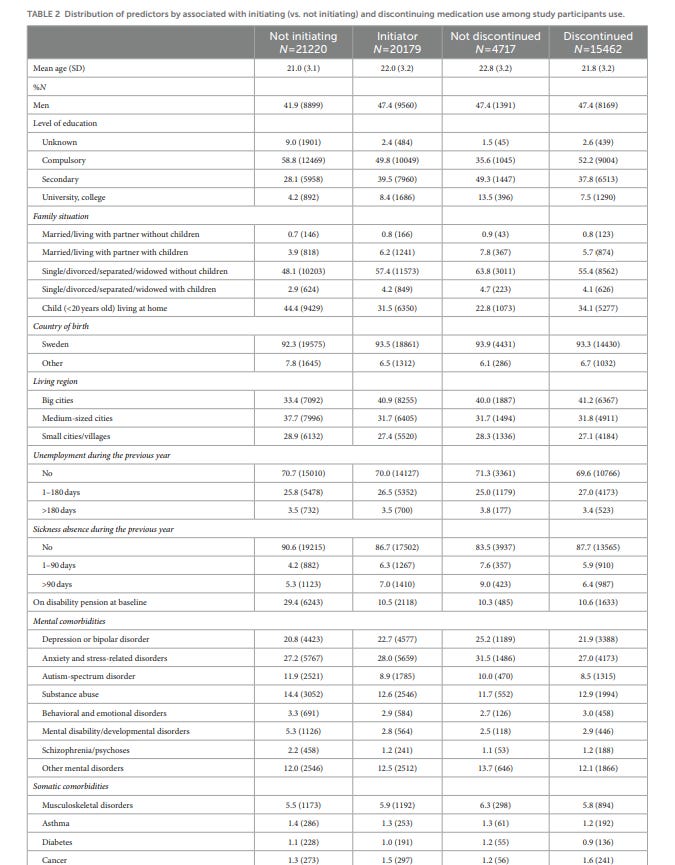
This does not work the way most statisticians think it works. May post on this later.
Proof:
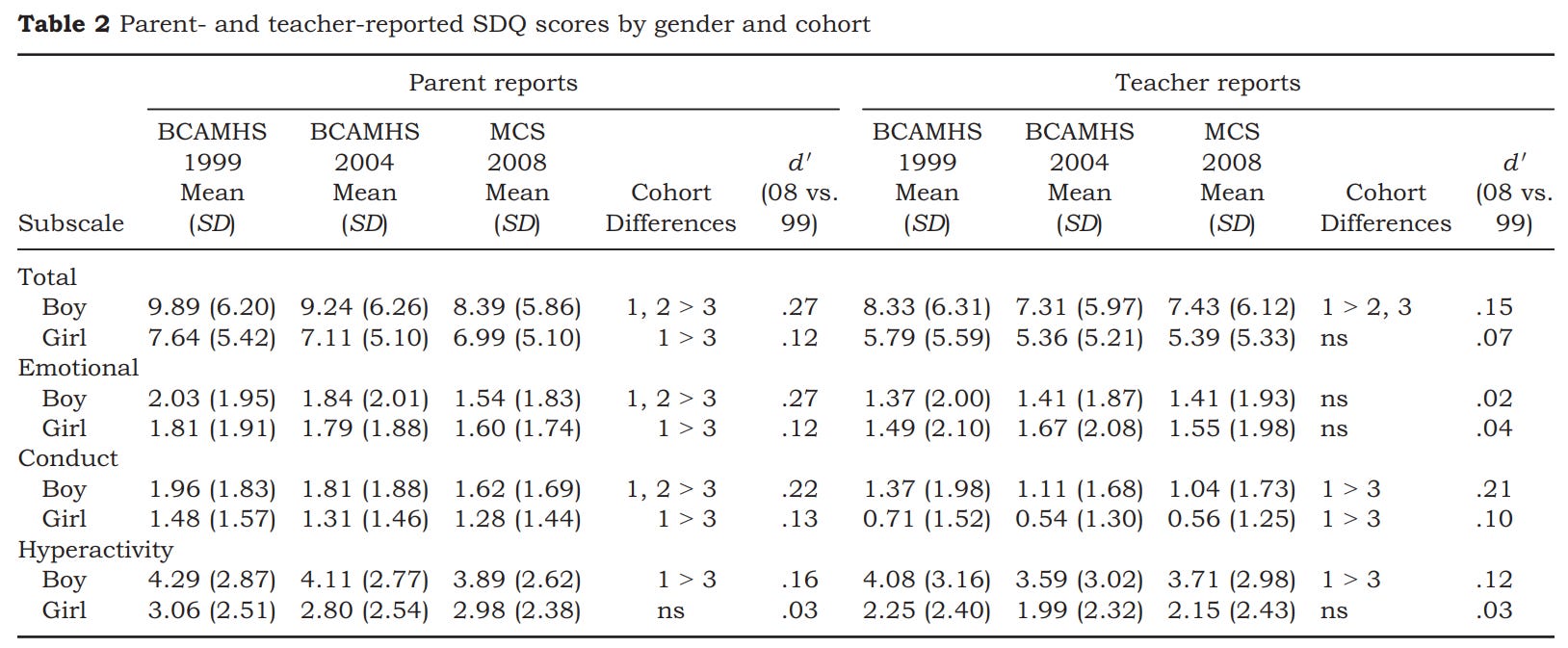
Bipolar/depressive disorders also correlate with poor sleep, but poor sleep is considered a symptom/byproduct of the disorder itself. e.g. people in manic episodes will sleep less often while it occurs.
Stimulants can also cause insomnia, but this is only happens at inappropriately high doses or when they are taken too late in the day.
I think I’ve miscounted like 3 times
Napkin math: 2 SDs is already at the 98th percentile, and the size of working memory and IQ correlate at about 0.5, so that particular observation will inevitably be more extreme than 98% of people.
Women are always pressured in societies, whether it is into the workplace or home.
This is all probably mostly accurate but there is a kernel of truth to the trope that is missed unless you take an evolutionary approach. The DRD4-7R allele is the most highly correlated gene with ADHD (so no diagnosis effects) and does in fact have benefits in some environments. It is associated with poor health and obesity if you work an office job but in pastoralist societies it’s associated with better health. Analyzing the effects of a gene/disorder/whatever only within one population gives you a very narrow view of its effects
Thank you for posting this. As a guy that actually has ADHD I cannot stress enough how much it can suck to live with. It has absolutely made my life much harder than it would have been otherwise, and I’m speaking not necessarily about difficulty with focus etc. but about certain doors or opportunities being closed because of ADHD. I would be lying if I said that I was not a little embittered by those that claim ADHD is a ‘superpower’.