

There’s no doubt that amphetamines do something to the body. Whether it is a positive or negative change depends on the person — some people find it easier to be focused and motivated, others find that they make them irritable. They are notoriously addictive.
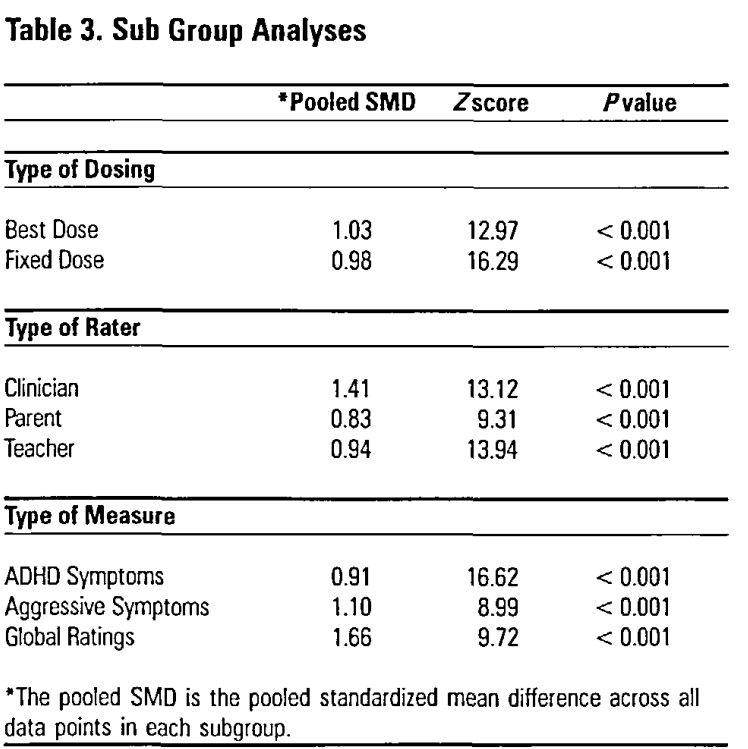
Predictably, sentiment on these drugs is highly polarised. If we look at the empirical data, the case for them looks good. Studies that evaluate the effect of ADHD medications, including amphetamines, on symptom scales of ADHD find large improvements — on the scale of about d = 1.
Critics of amphetamines pivot by arguing something else: the side effects aren’t worth it, they are over-prescribed, or they make people less creative.
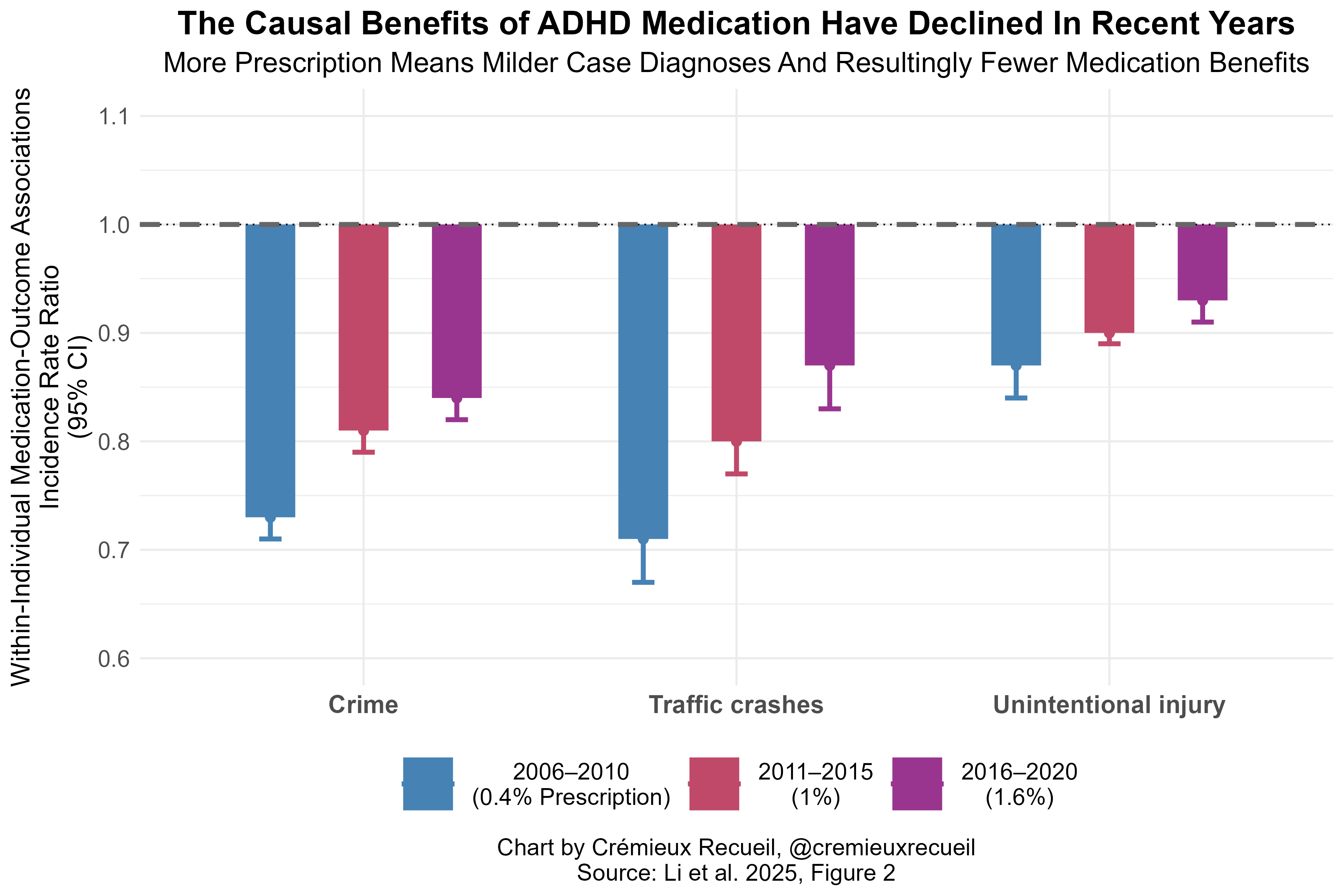
Statistically, it seems that when people with ADHD get treated with medications, they have better real world outcomes in terms of criminality, car crashes, and unintentional injuries. With another catch: their efficacy in observational data seems to be decreasing as time as gone on, as people have been diagnosing the condition more liberally.
III.
Overall, the current literature also suggests that amphetamines are effective nootropics.
There’s an unreleased meta-analysis which suggests the benefits of stimulants that treat ADHD on cognitive test scores are larger in people with ADHD or with sleep deprivation, with a small (d = .14) effect in normal people.
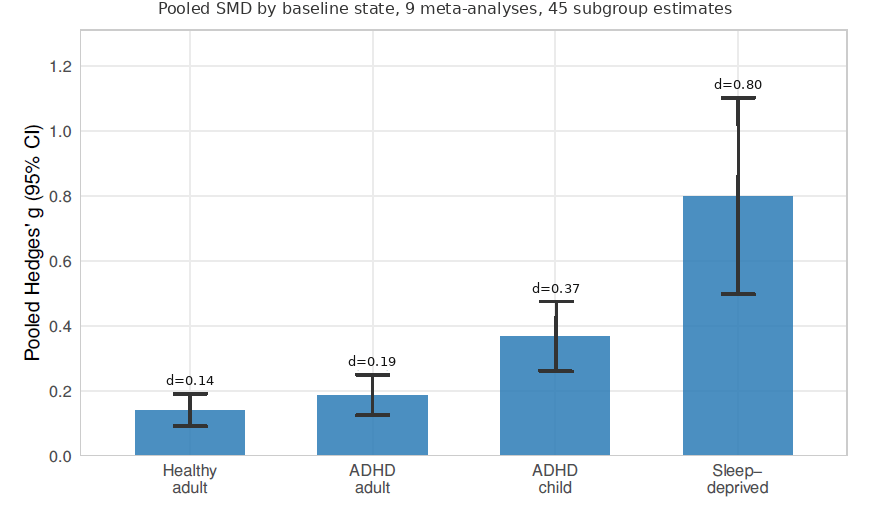
This is consistent with the decline in the observed efficacy of ADHD medications as the condition has been diagnosed more liberally.
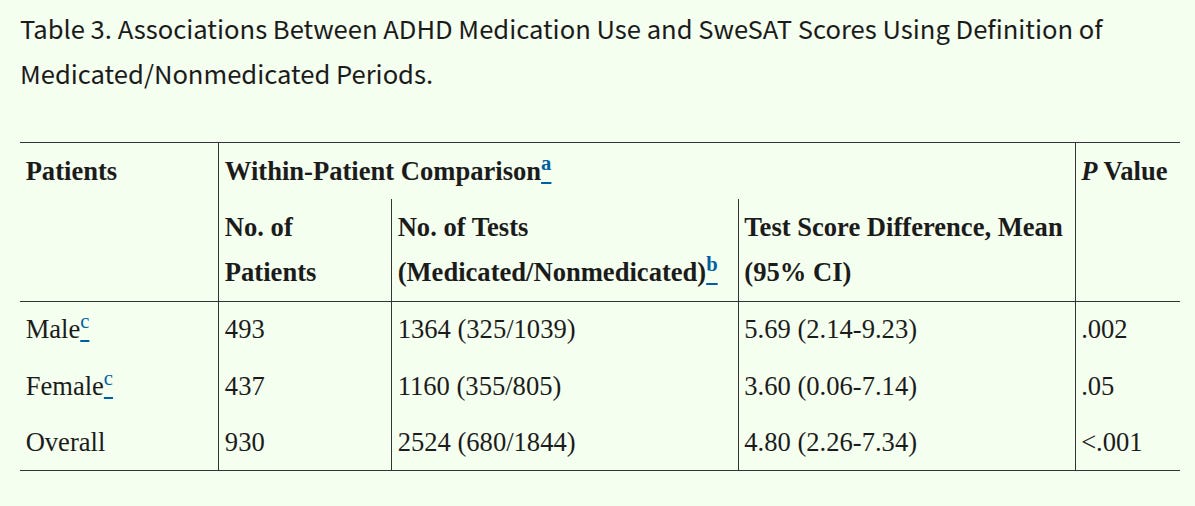
Positive effects have replicated in larger samples: people with medicated ADHD scored higher on the Swedish SAT than those without medication. This was even the case when the same person was observed over time (d = .11). It’s not a large effect, but it does show that the benefit of the drug generalises to tests beyond the traditional attention/executive function measures.
Adderall is well-tolerated and has few side effects at appropriate doses (5-30mg). It’s addictive, and a controlled substance in most countries.
III.
What ADHD exactly is doesn’t matter. Its symptoms: forgetfulness, lack of focus, poor performance — are legible and easy to measure, so effective and safe treatments for them were found early.
The fact that adderall is a net cognitive benefit suggests to me that the average person has subclinical ADHD; the population’s bell curve is shifted too much in the ADHD-direction. It’s been observed that people with the trait have higher rates of fertility, despite arguably having a disability.
I took adderall for a few months and did not get addicted, but I found the drug extremely totalising. I felt great while on it, but crashed when the effects wore off and built up dependence. I also noticed that I was still functional when I was withdrawing, so I quit. I’ve never gotten addicted to a drug, so I am a bad example in this particular case.
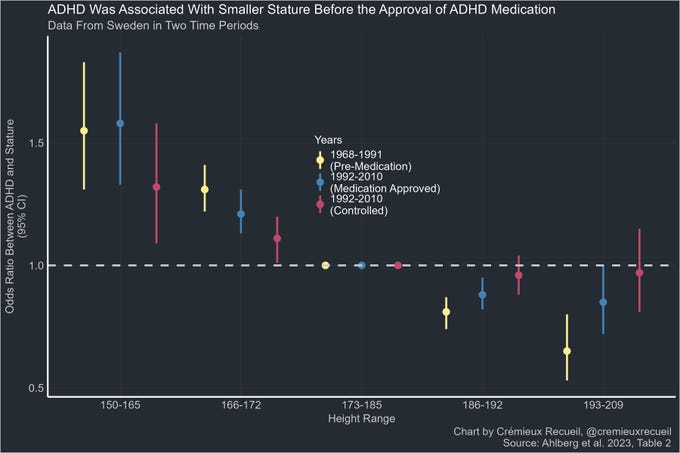
It’s also not true that ADHD treatments make people shorter. People with ADHD have always been shorter than the average person, before the drugs for it got approved.
Overall:
Adderall and most other ADHD medications work. Among these I include atomoxetine, methylphenidate, dexmethylphenidate, serdexmethylphenidate, bupropion, clonidine, guanfacine, viloxazine, and all amphetamines.
Drugs that work aren’t necessarily good. The ones with extended release profiles and smaller highs will have lower liabilities for addiction and dependence. Specifically: vyvanse, XR adderall, bupropion fit this description.
Amphetamines are well-tolerated, but addictive, mood-altering, and highly totalising.
Erdös was famously in amphetamines all the time.
He abstained for a month due to a bet with a friend. After which he said "we set mathematics back a month" and returned to full addiction mode