

Semax has been grouped into the category of experimental, foreign peptides that nobody really trusts or understands. Which is sad, because Semax’s evidence as a neuroprotective agent, even in humans, is well documented. Nobody bothered to read the studies that show it works, because they are hard to find and written in Russian.
But I did.
III.
Semax is a first line treatment for stroke in Russia. It’s also been used to attempt to prevent cognitive decline in mice, treat optic nerve disorders, and gastric ulcers (?). There is some evidence of nootropic effects in animals and mice, and some evidence of weak anesthetic effects, but only when taken through an injection.
Mechanistically, it’s a peptide which mimics part of adrenocortocotropic hormone, without its activity as a steroid and cortisol releasant. The research is dominated by two clinical groups: Gusev/Skvortsova and Ashmarin/Myasoedov/Dergunova/Dolotov.
The most commonly reported side effects are a headache, nasal irritation/metallic taste if snorted. Given it upregulates BDNF activity, it’s possible that it could contribute to seizures. Otherwise, it’s a well-tolerated substance. Drug interactions are unknown.
Mechanistic and animal evidence (skip if bored)
A peptide that is believed to have neuroprotective, neurorestorative, anti-depressant, and axiolytic effects. Nobody really knows how it exactly works; the dominant theory is that it raises Brain-Derived Neurotrophic Factor (BDNF), Nerve Growth Factor (NGF) expression, and changes neurotransmitter activity.
There are theories on what BDNF exactly does; an easy way to judge it is to see what happens to the body when the BDNF, or its receptors, start to malfunction.
In the case of the NGF gene, there is a mutation which leads to Hereditary Sensory and Autonomic Neuropathy type V (HSAN5), a type of congenital insensitivity to pain. The gene produces a protein called NGFβ which prevents neurons from dying and allows them to differentiate; a mutation causes it not to bind to its receptor properly, causing pain neurons to die. No intellectual disability is observed.
Then we have the NTRK1 gene, which codes a receptor for NGF. The same congenital insensitivity to pain is observed, but with varying levels of intellectual disability, depending on the specific mutation.
Mice who have their BDNF gene knocked out have less norepinephrine and dopamine in their brains, though the difference depends on the specific area; it’s often a lethal mutation. In humans, there is a disorder called WAGR syndrome which is associated with a deletion of part of the 11th chromosome, where the BDNF gene happens to sit. People with the mutation have intellectual disability, less sensitivity to pain, high appetite, the absence of an iris, and kidney tumours.
The GWAS evidence paints a similar picture.
Variants of the BDNF gene are associated with: altered body mass, smoking rates, blood lipid measurements, blood pressure, educational attainment, bone density, chronotype, and mathematical ability.
For NGF, it’s: blood pressure, migraine disorders, endometriosis, angina, height, memory performance, pain, schizophrenia, red/white blood cell counts, Alzheimer’s disease, and osteoarthritis.
These are just associations, of course; it doesn’t necessarily imply causality, and it doesn’t even take into account up or down regulation. A few internet searches told me the current theory about down/upregulation of these genes is associated with:
Upregulation of NGF: migraines, endometriosis, pain, osteoarthritis
Downregulation of NGF: schizophrenia, alzheimer’s
Upregulation of BDNF: hypertension, denser bones
Downregulation of BDNF: obesity
From what I can see, upregulation NGF probably increases IQ, but it also makes people feel more pain; upregulating BDNF increases blood pressure, but strengthens your bones and protects against obesity. Double edged swords.
Independent of BDNF, semax interacts with pain in other ways — it’s an enkephalinase inhibitor, though it’s unclear exactly which enzymes it inhibits. It might be the case that, because semax is degraded by enkephalinases, it competes with its metabolites (like opioids) and causes them to be upregulated.
In fact, the study that found semax did this also noted that it had the strongest effect, out of the other seven enkephalinase inhibitors (leupeptin, puromycin, D-PAM, N-CMPL, Selank, Semax and bacitracin) they tested. I’d argue it’s rather concerning Semax, at a high enough concentration, almost completely inhbiits those enzymes in the body.
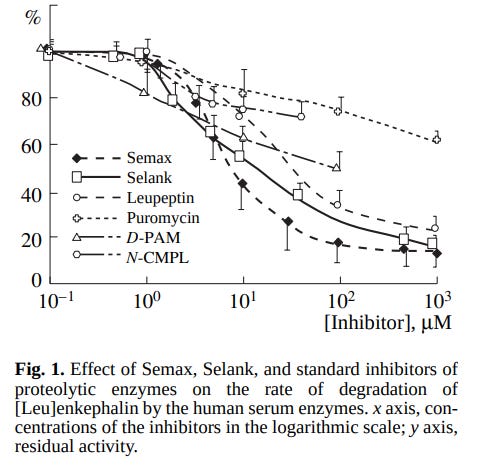
That puts semax in a weird place where it likely upregulates the expression and survival of neurons that cause pain, but also increases the amount of enkephalin peptides in the body, which make it respond differently to pain.
This effect is hypothesised to cause anti-depressant, anti-anxiety, and pain-relieving effects — particularly for chronic pain. They’re considered safer and less addictive than traditional painkillers; particularly, they do not cause respiratory depression.
Let me use Racecadotril as an example, which is used as an anti-diarrhea medication. There is no documented case of an overdose or pathological drug interactions. The most common side effects are headaches and rashes; fairly benign. Painkilling effects haven’t been reported, probably because the drug doesn’t cross the blood brain barrier.
In terms of empirical evidence, most of the enkephalinase inhibitor literature is in animals; there’s a few human studies1.
Instead of doing the dirty work and going through the animal and human literature… I could also cheat. And look at the genes.
Well, we’ve got a problem. Neprilysin, an enkephalinase inhibitor, is actually very useful: it breaks down amyloid beta peptides which are implicated in Alzheimer’s disease. Mice with a knockout MME gene that prevents them from synthesising neprilysin show signs of early onset Alzheimer’s. So even if semax might protect against cognitive decline due to BDNF and NGF upregulation, it might also contribute to the buildup of AB plaques.
In terms of GWAS evidence, it appears that missense mutations to the MME gene are associated with cluster headaches, probably one of the worst disorders on the planet — they’re also called suicide headaches. They also found links between this gene and Alzheimer’s disease, testosterone levels, blood pressure, and yes — pain. Specifically, back pain and neuropathic ocular pain.
I looked through the other genes that code for enkephalinase inhibitors, and I tallied whether they were associated with any medical conditions associated with pain:
Well, that’s kind of anti-climactic. I still feel a lot less pain on them, so I think I’ll keep using them.
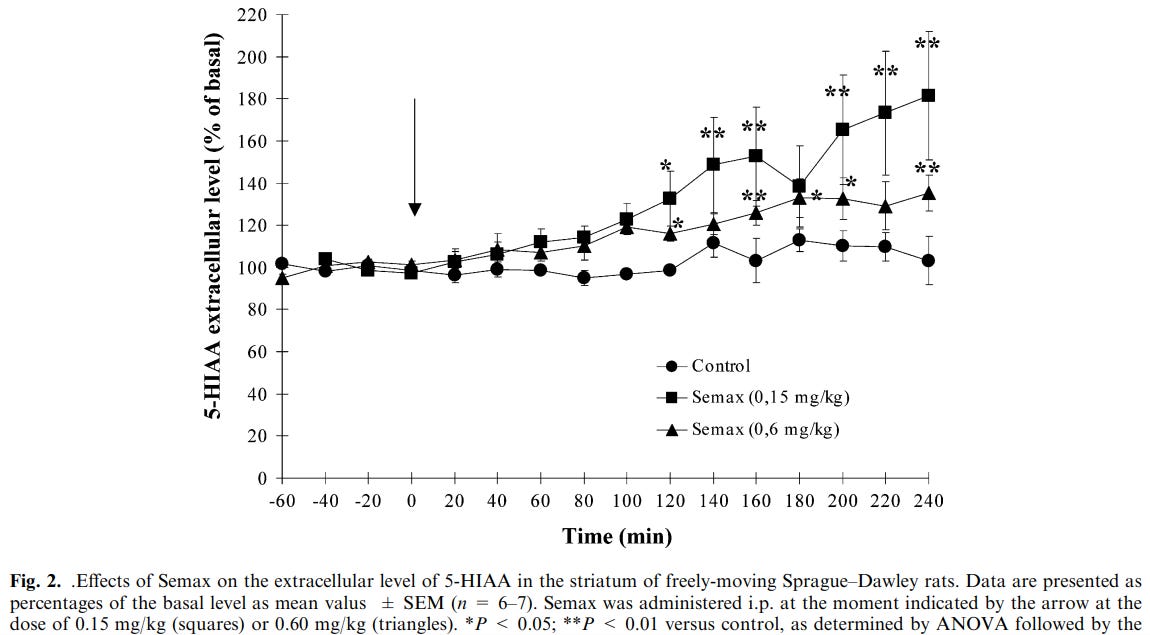
Semax also interacts with serotonin and dopamine. When rats take semax, more 5-HIAA, a metabolite of serotonin, is observed in the striatum of rats who took semax; but not more DOPAC, a metabolite of dopamine.
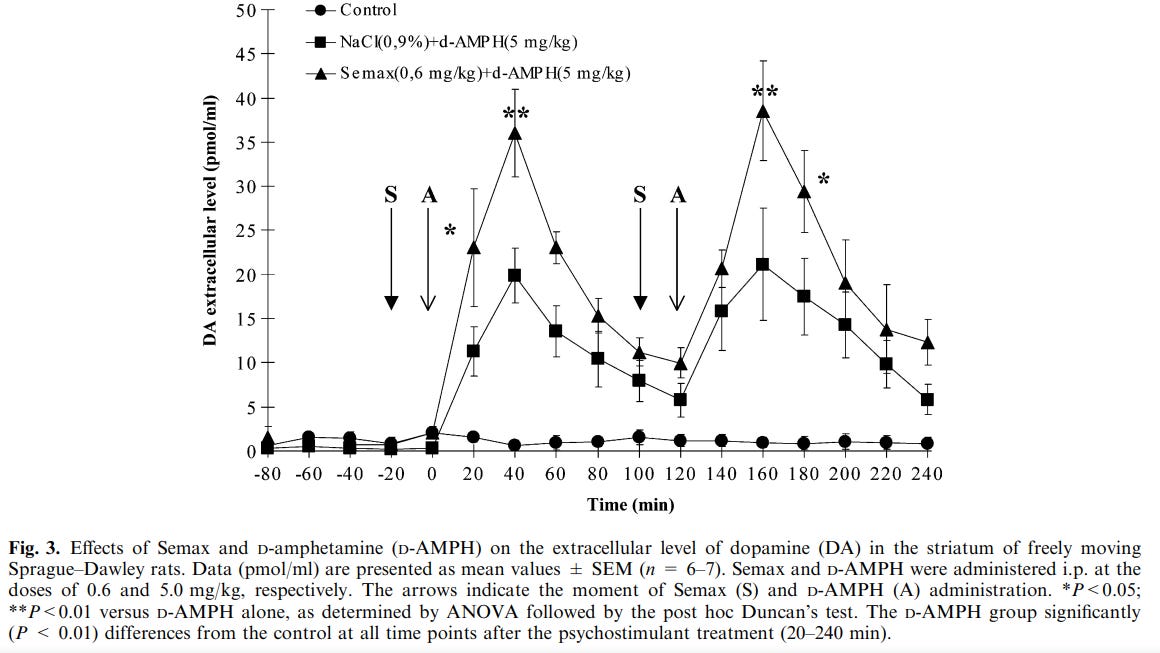
Although semax didn’t change concentrations of DOPAC, a metabolite of dopamine, it did magnify the dopaminergic effect of d-amphetamine.
Human evidence
There’s a Russian meta-analysis on how effective it is for the treatment of strokes. It’s pretty good, so I didn’t have to do the hard work of doing everything properly myself. I read it to the best of my abilities using google translate. From what I can gather, all five authors (Shmonin, Verbickaya, Soloveva, Malceva, Melnikova) work in St. Petersburg — either at a local medical university, or Saint-Petersburg City Hospital №26. They don’t seem to be part of any of the main research groups.
They found 8 studies and excluded 5 based on a point system involving 17 questions2.
This here is a plot of the effect of Semax on the NIHSS, a stroke severity scale (0-42), on the 10-14th days of treatment. In people with moderate (1.1.2) and severe (1.1.3) strokes, Semax (Семакс) works better than the placebo (плацебо). The fact that they observed anything resembling an effect for minor strokes (1.1.1) is… impressive.
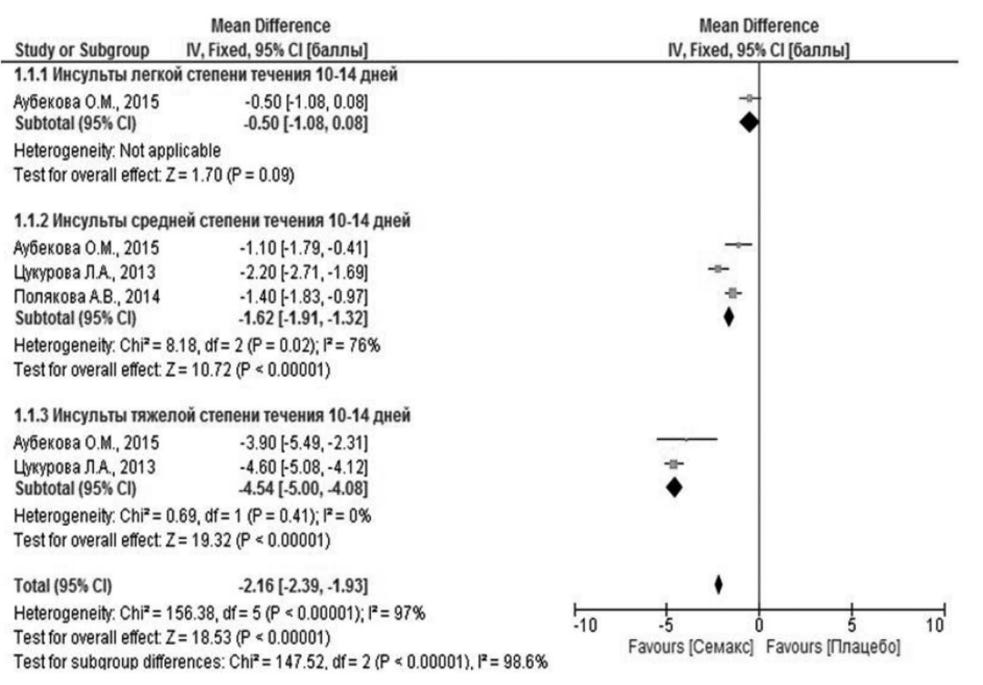
The effect sizes here are actually compressed because of restriction of range — by separating people into different groups, the effect sizes are artificially attenuated. The standard deviation of the NIHSS is about 7, meaning that Semax delivers a roughly d = .28 benefit on stroke protection. That’s pretty good.
The high heterogeneity — variation in effect sizes between studies — is traditionally a red flag, but note that we are talking about strokes here: the severity of them varies massively. The average stroke is pretty tame (7/42 on the scale), but if a group is made up purely of people with bad strokes, the standard deviation of the stroke scale will be higher. If I had to guess, the effect would be closer to 0.5 when controlling for restriction of range.
The standard errors are also very low in comparison to what you would expect from the NIHSS’ standard deviation, but I think that’s because they are using paired differences, not normal cohen’s d measures.
This meta-analysis also studied the effect of semax on other scales, like the Rivermead Mobility Index or Rankin Scale; they found the same highly impressive and super statistically significant results3.
So yeah. The meta-analysis was well-done and its results look clean to me. The only black mark I see is that the highest quality study according to the inclusion criteria — Скворцова (editor) Стаховская (first author) et al 2011 — was not included. I’m not sure why that is the case. I found said study they did not include. Weird; it was a positive result, and it looks like it serves as the official guidelines for the drug in Russia.
The study evaluated the effect of taking semax (placebo, 6mg, 12mg, and 18mg per day) for 5 days on 160 participants who had undergone moderate or severe strokes. They evaluate the effect of Semax on stroke patients using various scales: Orgogozo, Scandinavian, Barthel, and a custom scale they developed. They also evaluated several biomarkers in the heart, brain, and blood.
Patients who received semax were more likely to survive and have good recoveries, particularly if they were given high doses (12/18mg) of Semax.
This is a chart of stroke severity scores — the cells vary by patient group (severe vs moderate), dose (placebo, 6mg, ...), scale (original, Scandinavian, …), and day (6 vs 30):
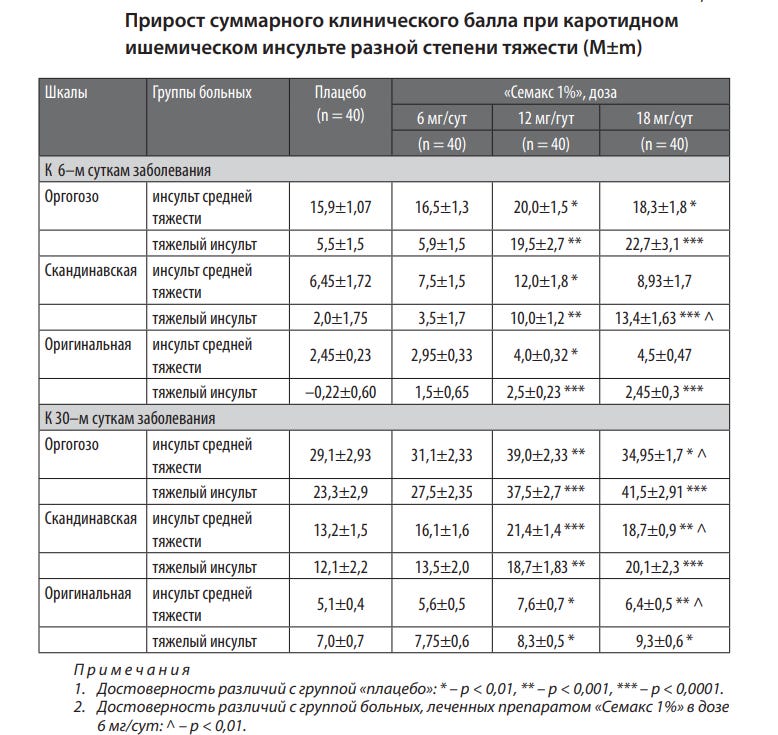
All the statistics here look very clean to me. 6mg/day does not appear to be an effective treatment for strokes — 12 or 18 is required.
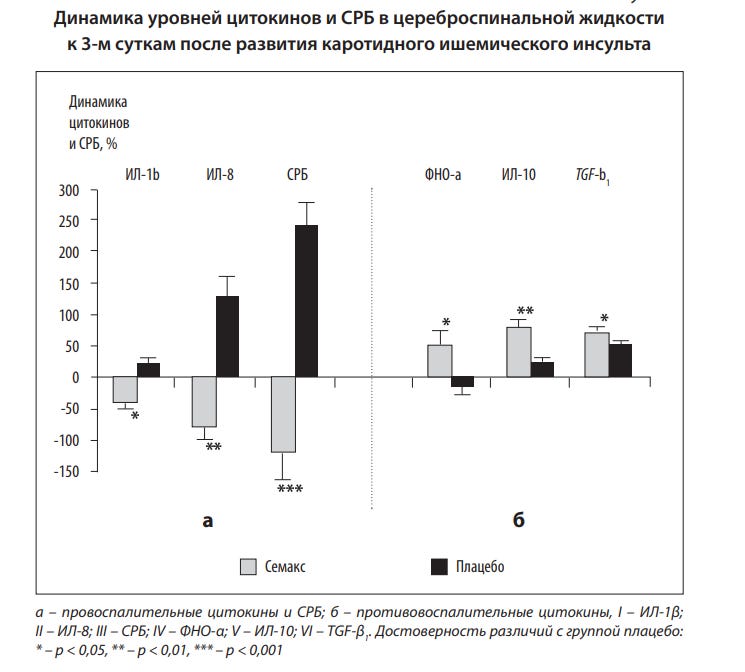
The following chart was hard to read for me, but it appears that patients who took Semax had biomarkers in their cerebrospinal fluid that suggested lower levels of inflammation — less IL-1β, IL-8, and C-reactive protein. They had more TGF-β, Il-10, and TNF-α — though the results here were not as decisive.
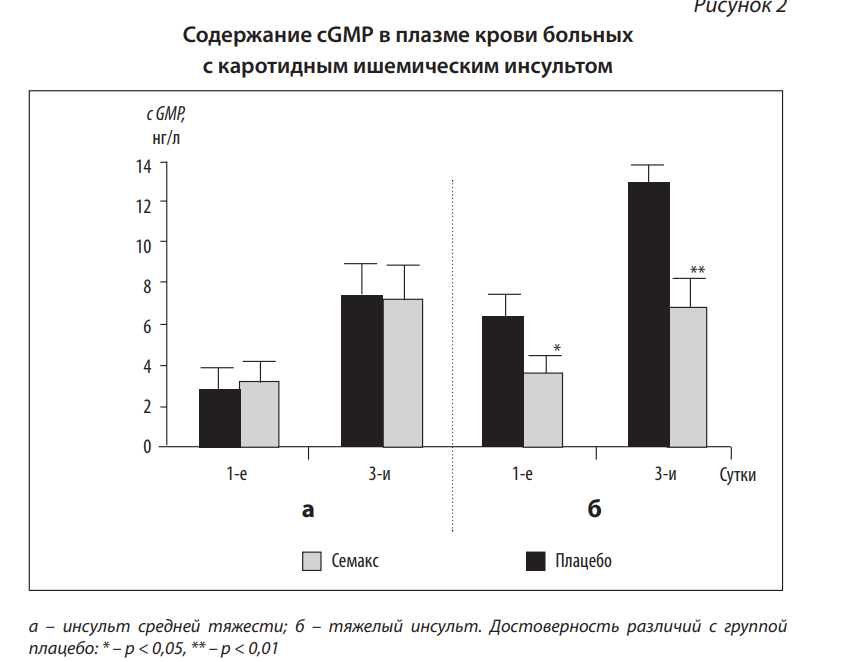
They also studied cGMP levels — it seems Semax only lowered them in patients with severe strokes, and the p-values here aren’t as convincing. Especially since the effect only appears in a split subgroup.
It also appears that patients who are given Semax have less autoantibodies:
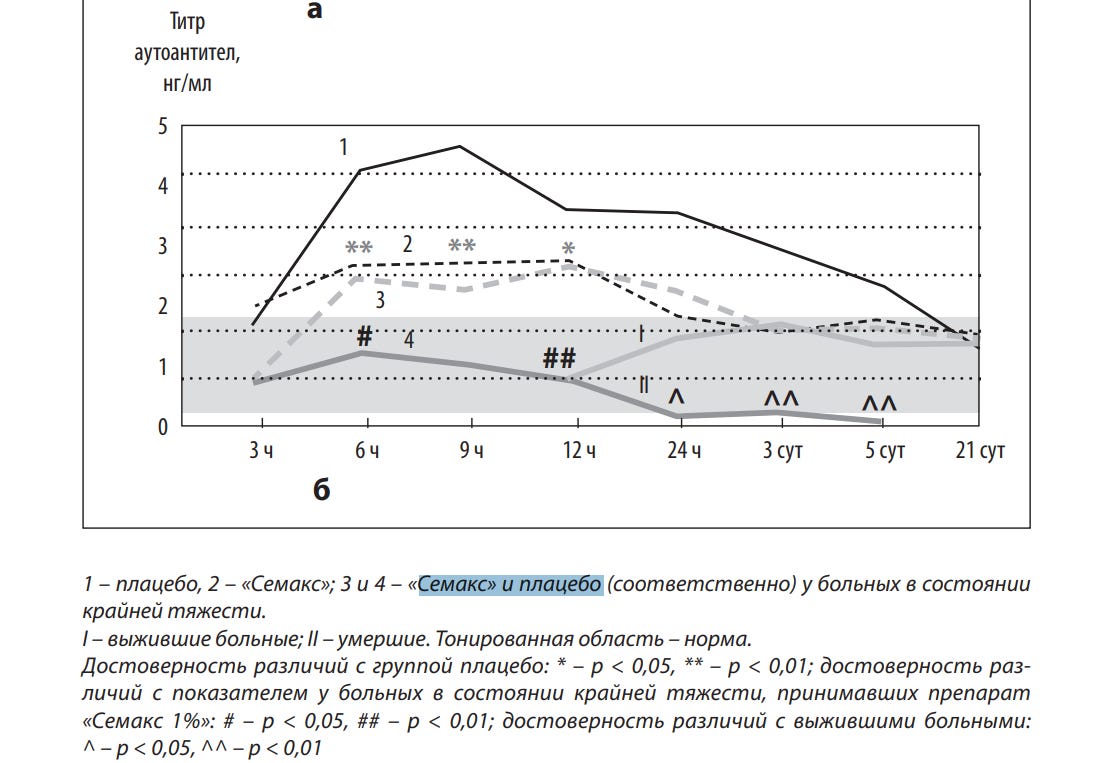
Statistically, this study looks fine. It has a few p-values in the 0.001-0.05 range, but that is to be expected from the small sample size, and the wide range of outcome variables reported.
From the little I could uncover online, there doesn’t seem to be any suspicious financial or social links between these researchers and the developers and companies behind Semax. The first author is L.V. Stakhovskaya, a Russian neurologist — didn’t find anything interesting. The editor of the paper, Skvortsova, is a Russian politician who started her career as a stroke researcher. Her most common co-authors are mostly biologists or people interested in longevity.
[Skvortsova was] Born into a family of doctors, a physician in fifth generation,[1] She graduated from school with a gold medal in 1977. In 1983, she graduated from training at the pediatric department of the Second Moscow Medical Institute (today called Russian National Research Medical University). In 1988, she graduated from the same department and received her PhD. From 1988 to 1997 she worked as Medical Laboratory Assistant and associate professor. In 1999, she became one of the founders of the National Association for the Fight Against Stroke. Since 2005, she was director of the Research Institute for Stroke in the Russian National Research Medical University. In July 2008, she was appointed Deputy Minister of Health and Social Development of the Russian Federation. On May 21, 2012, she was appointed to the role of Minister of Health of the Russian Federation in Dmitry Medvedev’s Cabinet. At the Seventieth World Health Assembly on May 11, 2017, she was elected 70th President of the World Health Organization,[2] and only Ukraine protested her nomination.[3] She has emphasized the importance of healthy lifestyles and noncommunicable diseases.
On 15 January 2020, she resigned as part of the cabinet, after President Vladimir Putin delivered the Presidential Address to the Federal Assembly, in which he proposed several amendments to the constitution.[4] She was appointed as the Director of the Federal Medical-Biological Agency on 22 January.[citation needed]
So, it looks like semax helps people who had strokes. Whether it works as a nootropic in normal, unhealthy people is a different question.
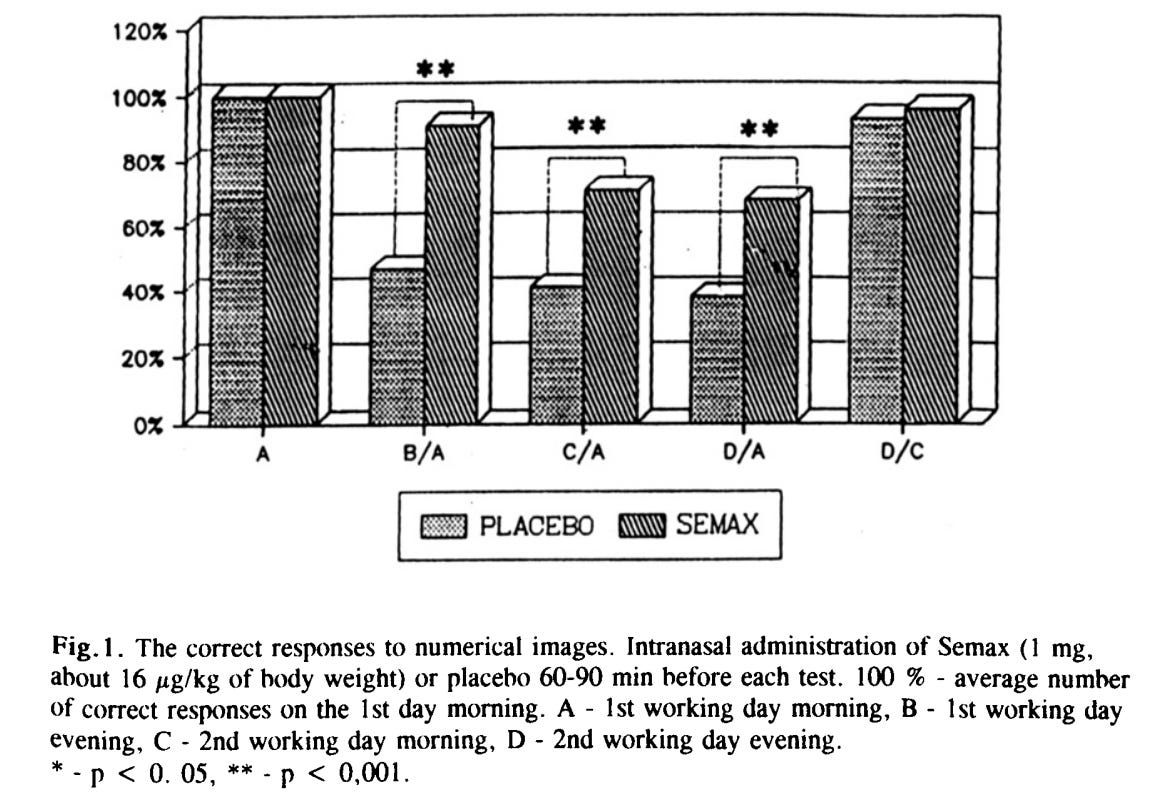
There’s one study on Semax’s effects on cognitive function in tired people. They had 16 power plant operators were administered with either semax or a placebo. They underwent a cognitive task where they memorised a set of numbers, and then were told to press the spacebar as fast as possible when one of those numbers appeared. They did that 160 (?) times.
When they were not fatigued, both groups perfomed perfectly. When they were tired after their shifts, the placebo group started to make more mistakes; the effect of fatigue was attenuated in the semax group. The effect looks pretty large (d > .5?).
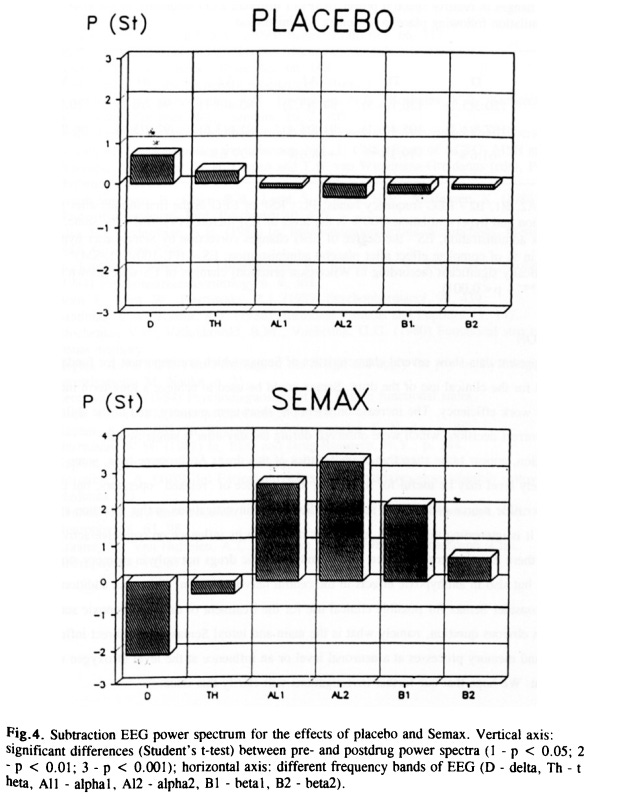
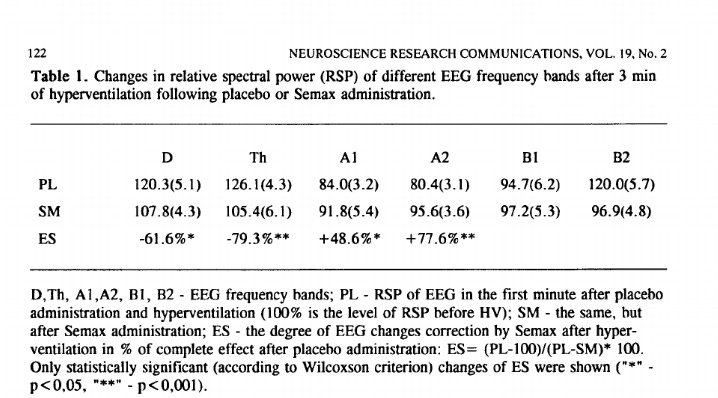
It also influenced people’s EEG readings. Higher levels of alpha frequencies; lower theta and delta frequencies.
Jensen, in the g-factor, claims that the frequency of alpha waves correlates with IQ, with reported correlations ranging from 0 - 0.6; he wasn’t confident in the idea himself:
Among the simple, nonaveraged EEG waves, the frequency of the alpha wave has most often shown correlations with IQ. These range between zero and about + .60. The alpha rhythm consists of relatively intermediate brain waves, in the range of 7.5 to 12.5 Hz, that occur when the subject is in a state of relaxed wakefulness, with eyes closed. The alpha frequency in Hz is usually averaged over a number of one-second intervals selected at random from an EEG recording that can last several minutes. The studies of the correlation between the alpha frequency and IQ are consistent only in showing a positive relationship, that is, higher IQ is directly related to a higher alpha frequency. This suggests a relationship between alpha frequency and IQ. The cause of the relationship is unknown, but hypotheses, such as more sustained attention in high-IQ subjects, have been suggested. Beyond that fact, however, the literature seems too chaotic to warrant averaging the results of many studies. Their methodologies are far from standardized and the various methodologies are seldom replicated. The results of all these studies probably reflect “ method variance” as much as anything else. The unsystematic nature of this particular body of EEG research on alpha waves (and other nonaveraged brain waves) increases the risk of a statistical Type I error in drawing conclusions from a meta-analysis of all the available evidence.
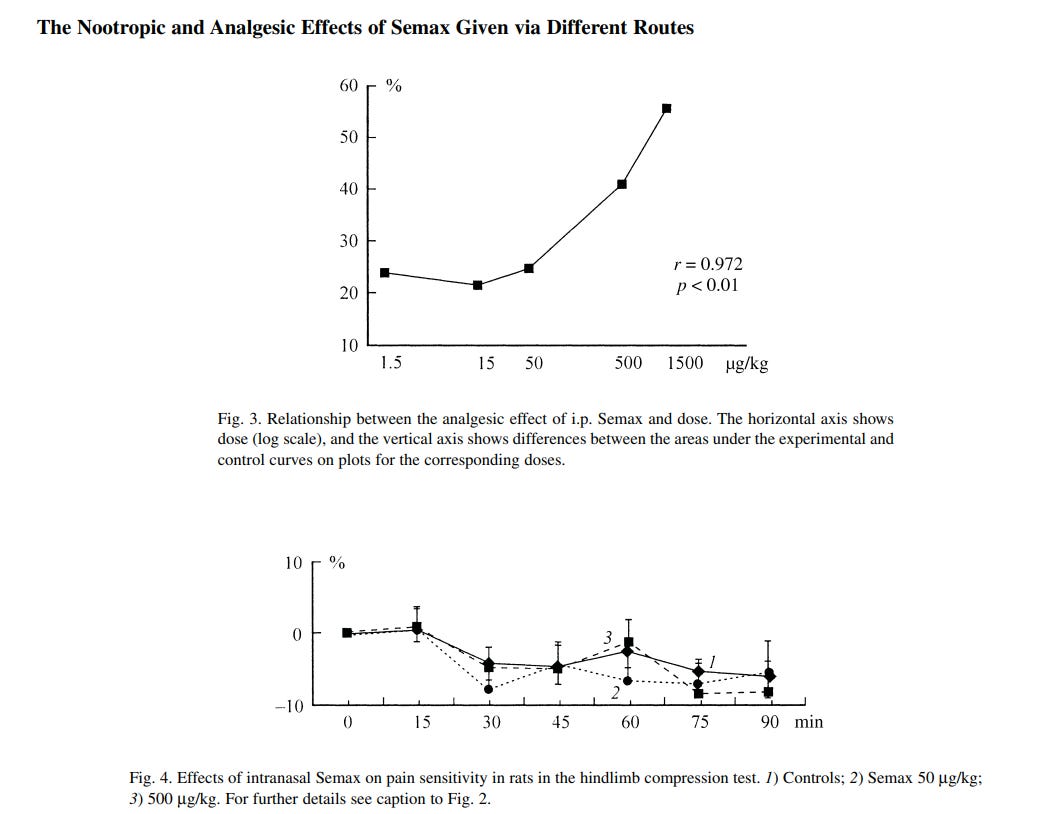
I found a rat study on the nootropic effect of semax, but the p-values were whatevers. If the effect exists, then intranasal administrations require lower doses than intraperitoneal injections.
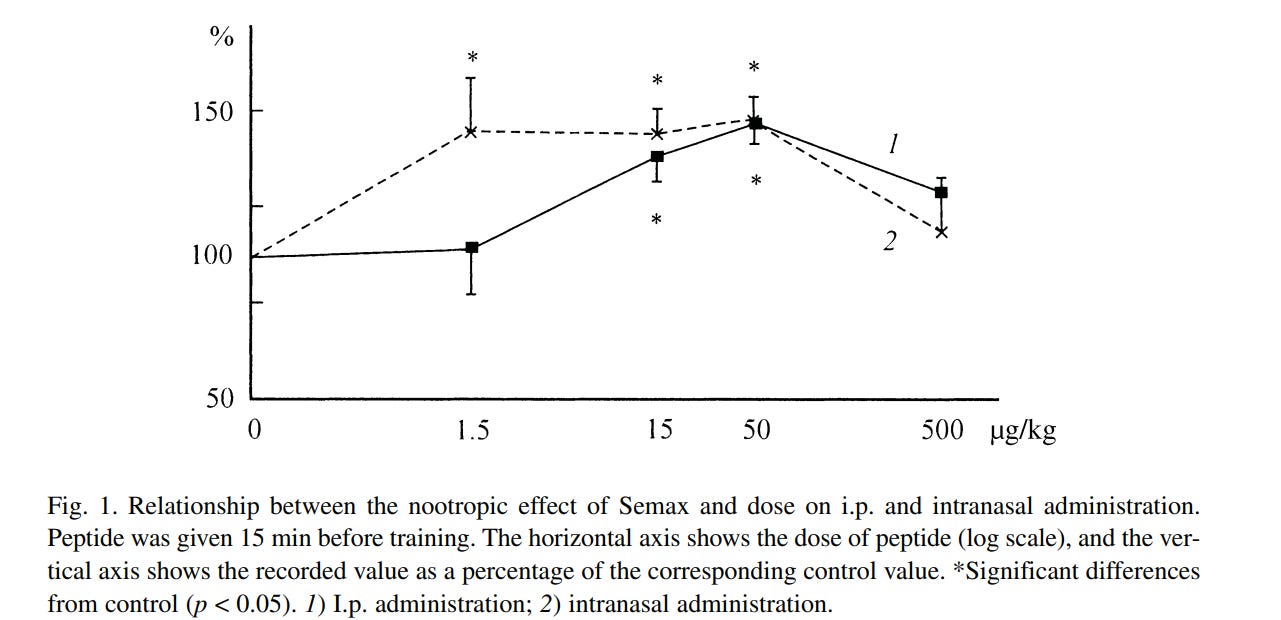
If we use the 6.2x conversion factor and a human weight of 70kg, then the ideal subQ dose of semax is somewhere between 170 and 500 mcg; without it, its 1000-3500 mcg.
Intranasal semax had no effect on pain sensitivity; injected semax appears to have a mild but real pain-relieving effect.
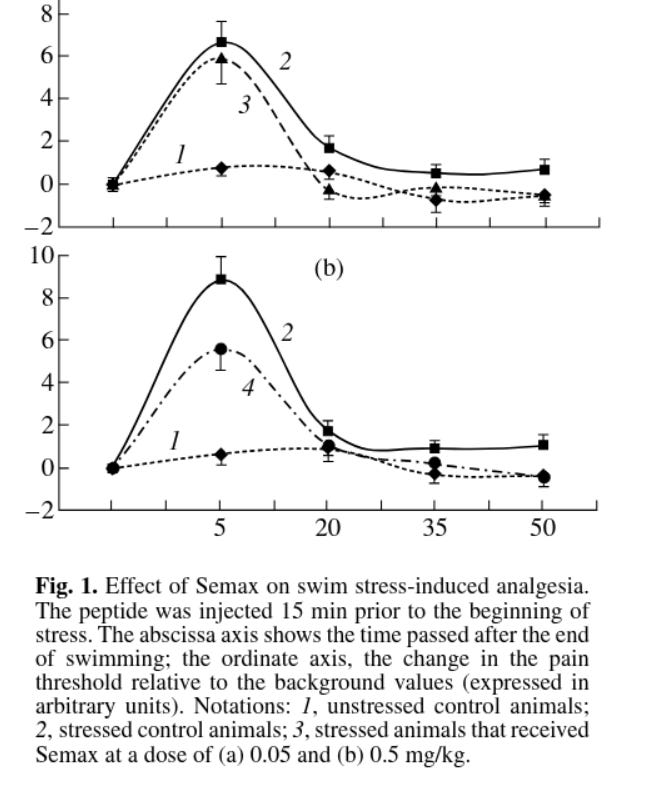
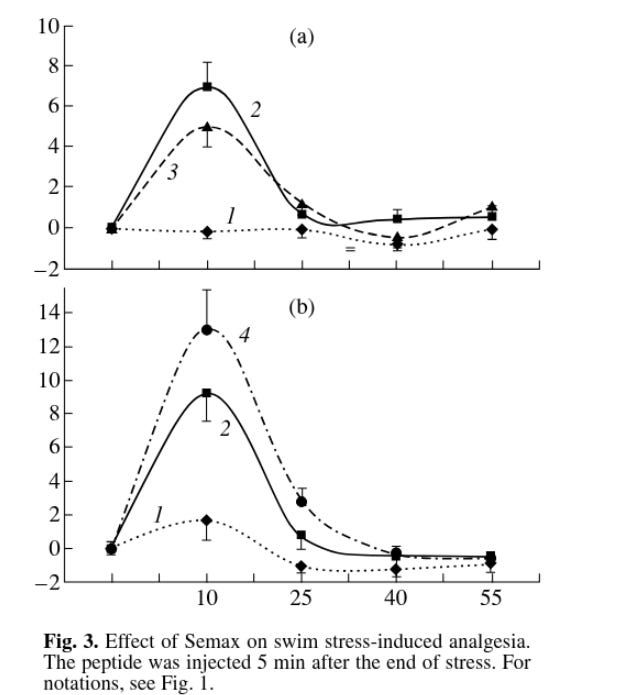
Another study also found that semax changes the perception of pain in animals, at two different doses — 0.05 and 0.5mg/kg in rats.
In the first chart, we see that semax partially neurtralises the effect stress has on attenuating pain, when it is taken before the stressor, in a dose-dependent fashion.
When semax is injected after the stressor, the low dose attenuates the effect of stress, but the high dose magnifies it:
Too tired to look at other studies. Maybe I should take semax… xaxaxaxaxa
Summary
Semax’s evidence base looks pretty good to me. There’s evidence it alters brain physiology in animals and humans and allows people to recover from strokes. Whether it works as a nootropic agent, however, is still up for debate.
The evidence on alleviating depression/anxiety or increasing cognitive function entirely limited to animals, with the exception of one study finding positive effects on counteracting the effects of mental fatigue. From what I gather, it seems that the only effect semax has on healthy animals is better cognition; the behavioural and emotional effects only appear in damaged ones.
