TL;DR:
Enclomifine: increases testosterone while preserving testicular function, but increases estrogen more than TRT. Looks promising for people with secondary hypogonadism, where the testes can naturally produce testosterone, but the pituitary gland is dysfunctional.
Kisspeptins (10, 54, and TAK-448): awful. Downregulate hormones into oblivion or have awful half lives.
Tongkat ali: probably does nothing.
The existing competition, sadly, looks pretty weak.
Enclomiphine
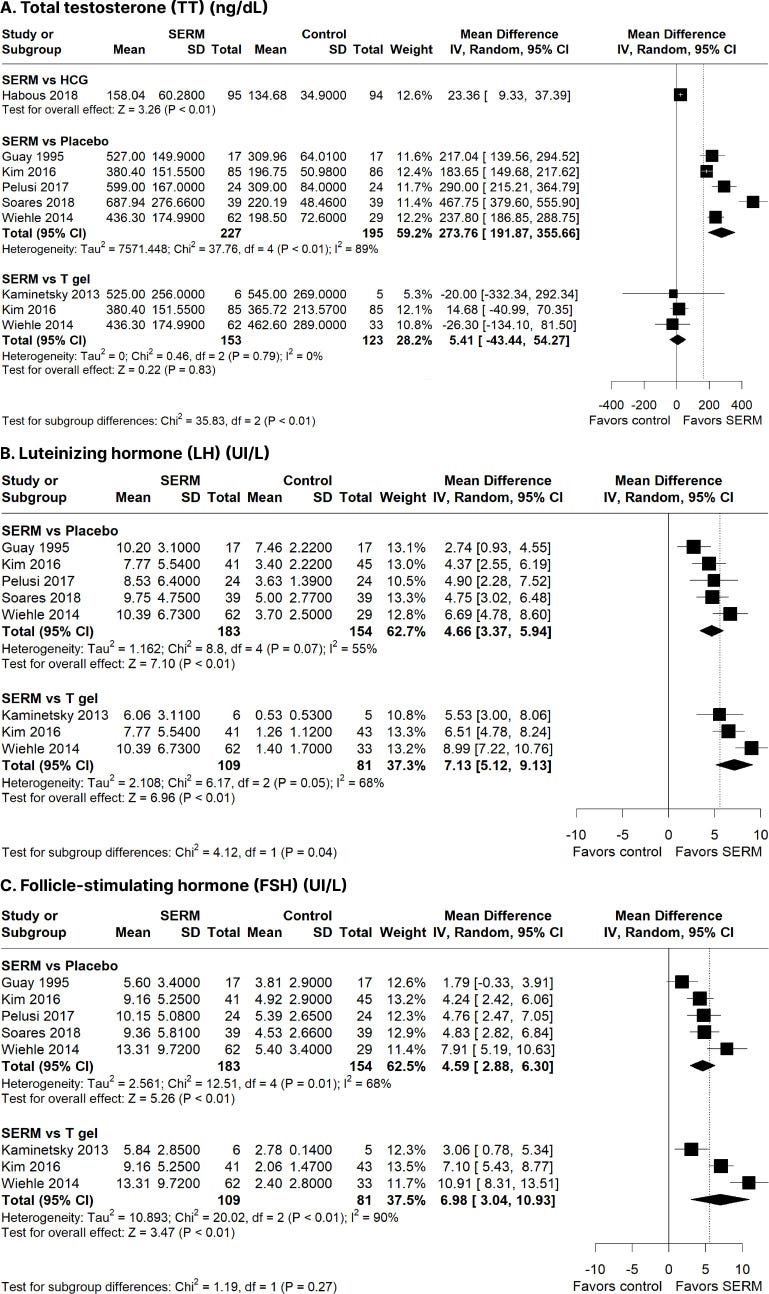
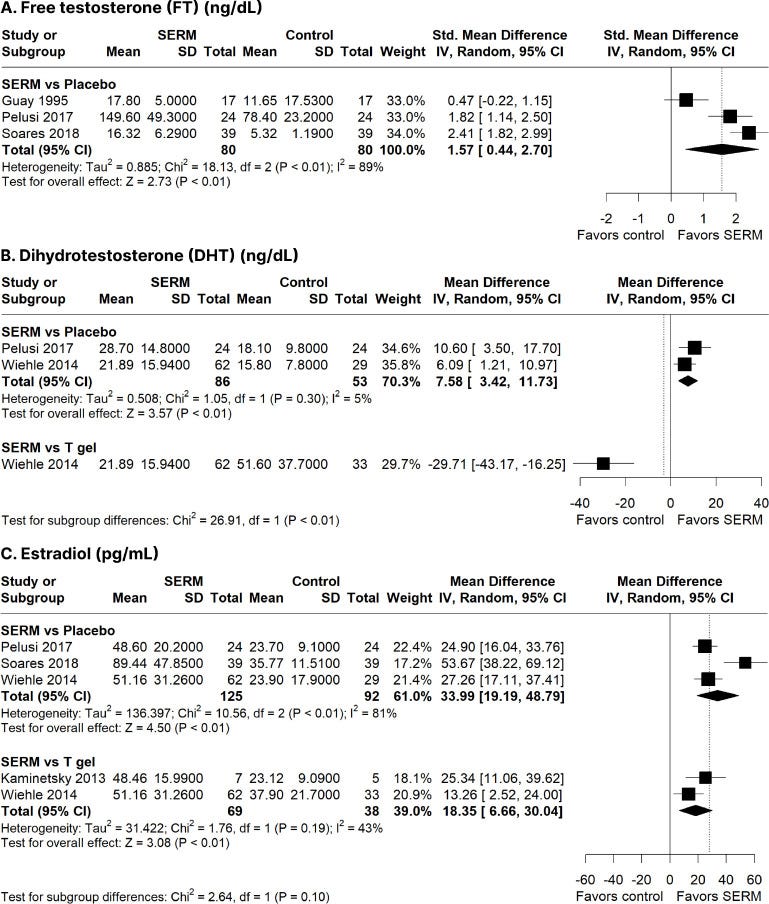
Enclomiphine (enclo1) antagonises the estrogen receptor, which causes the body to produce more testosterone. Because the cause of increased testosterone is not endogenous, it doesn’t result in down-regulation. It’s well-tolerated2. The statistical support for its effects is undeniable: it increases total testosterone by 273 ng/dl; as well as free testosterone, DHT, LH, FSH, and estradiol3 (unfortunately).
It doesn’t decrease sperm counts, unlike testosterone replacements:
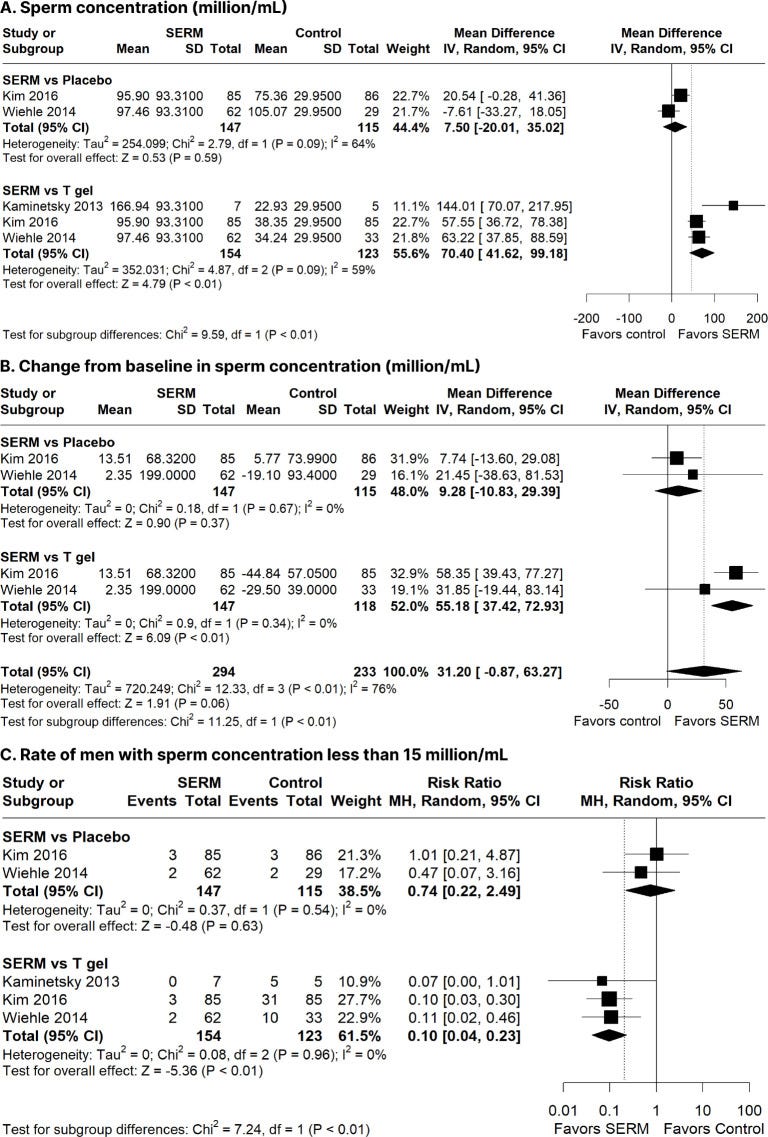
Sounds great, though it’s already possible to maintain testicular function and testosterone production on steroids if HCG is taken alongside it.
Unfortunately, the Committee for Medicinal Products for Human Use recommended against using it as a treatment for low testosterone levels, aka male hypogonadism.
The CHMP noted that although the studies showed an increase in testosterone levels with EnCyzix, they did not look at whether EnCyzix would improve symptoms such as bone strength, weight gain, impotence and libido. In addition, there is a risk of venous thromboembolism (problems due to the formation of blood clots in the veins) with the medicine. Therefore, the CHMP was of the opinion that the benefits of EnCyzix did not outweigh its risks and recommended that it be refused marketing authorisation.
The drug went down the institutional rationalisation pipeline: ambiguous evidence is bad, bad evidence means no evidence, and no evidence means it doesn’t work. That really hurt the drug’s reputation.
Their reasoning was that there was lots of evidence the drug increased testosterone levels, but no evidence that it alleviated the symptoms of low testosterone (?). Particularly, the committee was concerned that its activity as an anti-estrogenic would change body physiology in other ways that would make it possibly doesn’t have the desirable effects of testosterone.
I’d actually predict the opposite to be the case: traditionally the complaint about exogenous testosterone is that it converts into estrogen, and it taxes the body’s natural testosterone production. Enclo antaogonises estrogen receptors, so the downstream estrogenic effects of T are mitigated, and the T increase is downstream of natural processes.
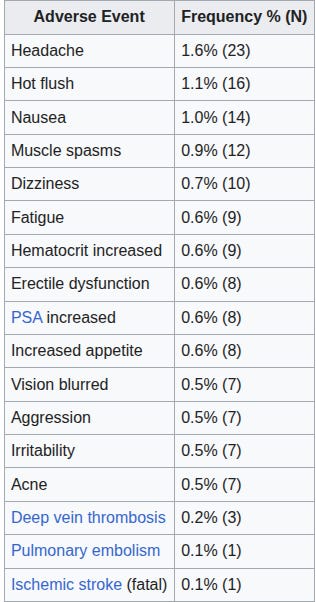
They also saw three cases of deep vein thrombosis (DVT) in the treatment groups; none in the placebo group. Given the number of events they tracked, it wouldn’t be out of the ordinary for a difference like this to emerge due to statistical randomness; the observed rate (0.9%) in the treatment group is hardly different from the rate in the general population (0.08-0.2%).
That said, DVT can be caused by using TRT, so it’s not implausible that enclo also causes it. Though, it’s rather unfair that this drug got shanked for being a risk in DVT, when the first line treatment for male hypogonadism also has this risk. Oral contraceptives, surgery, and chemotherapy are all considered risk factors in DVT — I don’t see any bans against these treatments.
People have raised concern about enclo potentially harming bone density. Traditional TRT raises bone density. The effect of SERM drugs on bone density is more ambiguous; one clinical trial was conducted to evaluate exactly that, and its results were never posted.
One study found that clomiphene — a more estrogenic and less pure version of enclomiphene — decreases bone density in the spine, but not the hip:
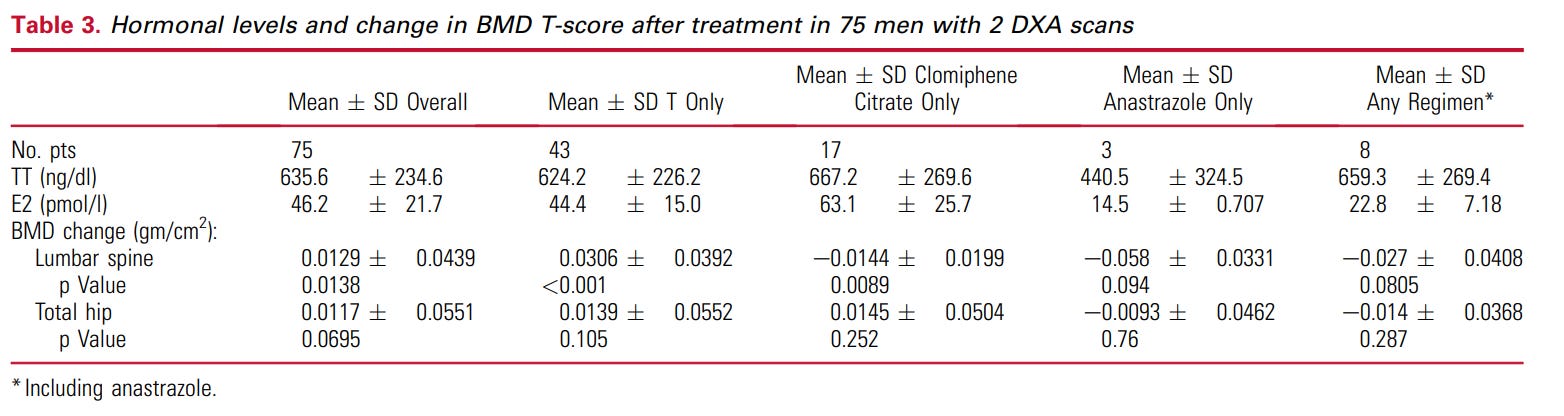
The p-value for the decrease, 0.0089, is low, but still potentially a fluke. Especially since statistics can be selectively reported.
A different study finds the exact opposite effect in some hypogonadal men who were treated with the same drug:
Figure 2 shows the outcomes of bone densitometry over the study period. Mean ± SD T scores for femoral neck/lumbar spine at baseline were − 2.1 ± 1.7/ – 3.2 ± 2.2. These values improved signifi cantly ( P < 0.01 for both sites) over time, with scores at 1, 2 and 3 years being − 1.2 ± 1.2/ – 1.6 ± 1.8, 1.3 ± 1.6/ – 1.6 ± 1.2 and − 0.9 ± 1.2/ – 1.1 ± 1.0, respectively. In all, 28% of patients had
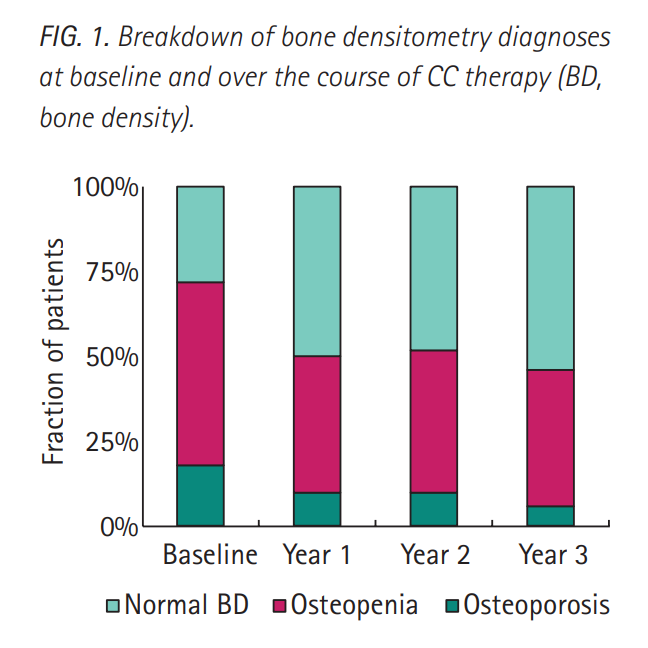
One possible explanation is differences in study populations. In the first study, most of the men had normal levels of bone density, and only a third had any osteopenia at all; in the second study, which found a positive effect, almost 75% of the men had osteopenia.
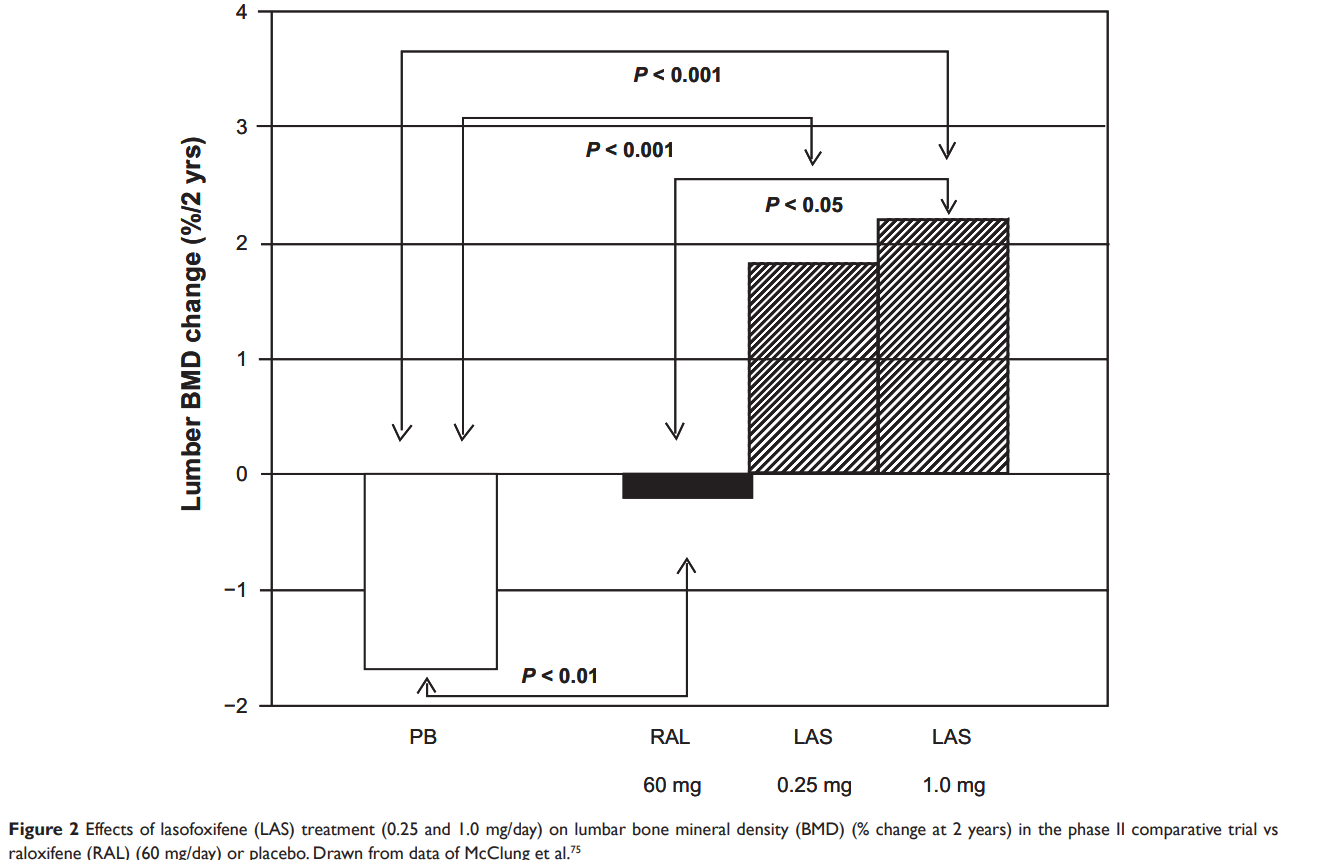
There’s other studies that find evidence that SERM drugs have positive effects on bone density in women with pre-existing osteoporosis:
Overall assessment
Enclomiphene looks like a promising alternative to testosterone that doesn’t damage the testes, but a relative absence of human data and institutional backing hurts the drug’s credibility.
It demonstrably has a different hormonal profile than testosterone, which could plausibly change its downstream effects on musculature, bone density, and sex drive. An aromatase inhibitor possibly needs to be taken alongside it to mitigate its increase in estradiol.
Kisspeptins
Kisspeptin-10 actually does increase total testosterone levels. There’s a problem: it has a very short half life: 4 minutes.
So people have pivoted to using kisspeptide-54 instead, which has a half life is 30 minutes. This makes it so its hormonal effects are able to last longer than a few hours.
There’s then another version of this peptide, MVT-602, which has a half life of about 3 hours. It’s currently in clinical trials for female infertility and hypogonadism.
This version of the drug was shown to be unsafe in clinical trials for prostate cancer. 80 healthy men took TAK-448 (old name for MVT) for 14 days, and it was found that natural production of testosterone and LH was downregulated to dangerously low levels within a week. The effect stopped after the subjects discontinued the drug.
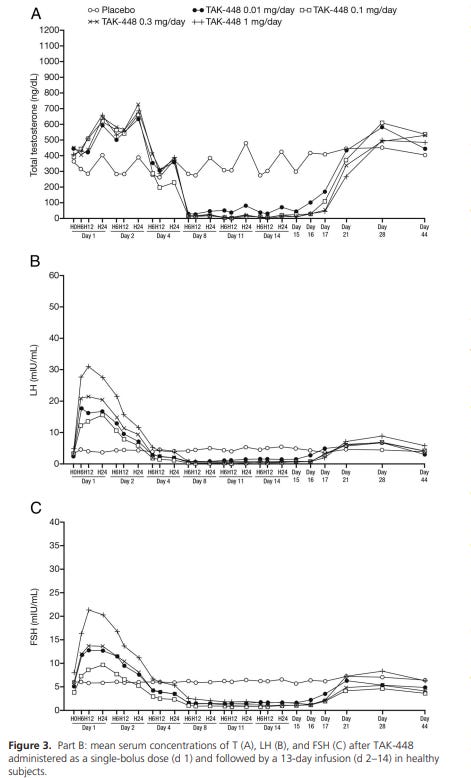
They found the same thing in rat studies. The decline likely happened because kisspeptins work through LH, which are subject to receptor downregulation.
Overall assessment
Nope. There’s a marginal chance Kisspeptin-54 works, but I wouldn’t bet on it.
Tongkat Ali
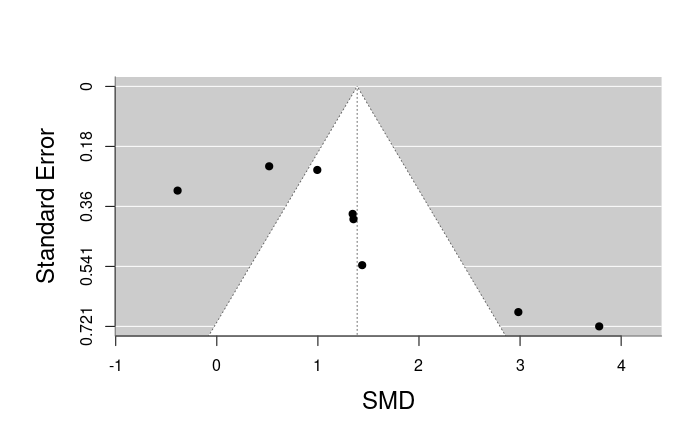
Ran the stats on this one years ago. Turns out the meta-analytic effect that some researchers found is due to publication bias.

Garbage clunky drug name
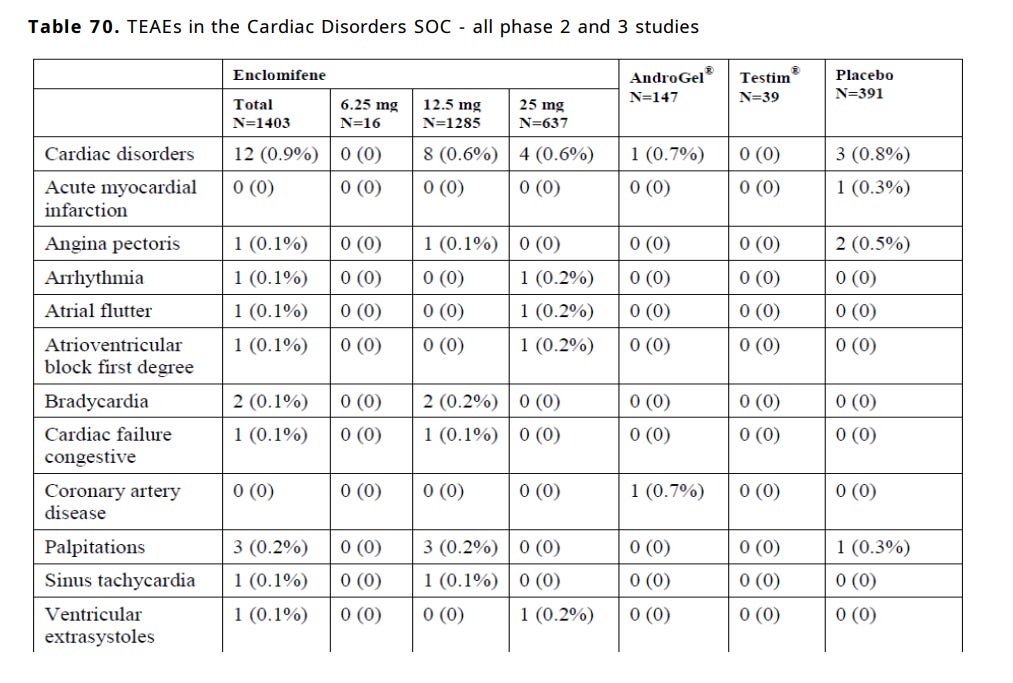
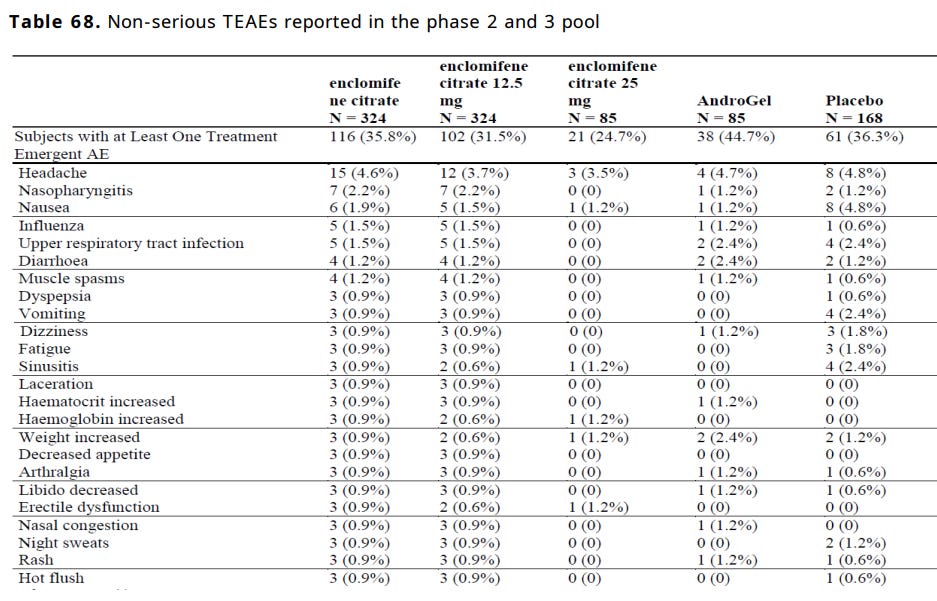
Adverse events. The patient who died of a stroke had untreated atrial fibrillation, somebody in the placebo group
Receipts: